Skip to content


Ever twist that faucet handle and get nothin’ but a pitiful little stream? Or hop in the shower and feel like you’re standin’ in a pressure washer? That, my friend, is water pressure at work.
Pull up a seat and let Wally make sense of what’s really going on inside those walls.
🚰 What Is Water Pressure Anyway?
It’s what pushes water through your pipes and out of your faucets.
Think of it like this: your plumbing system is a highway, and water pressure is the traffic flow that keeps everything moving. Without enough pressure, water crawls. With too much? Things can get wild.
For most homes, 40–60 PSI is just right. It gives you strong, steady water without putting extra stress on your pipes.
🏠 Where Does Your Water Pressure Come From?
There are two main ways homes get it:
1️⃣ City Water Supply
If you’re connected to city water, the local system pushes water through underground lines to your home. That’s what creates the pressure in your pipes
2️⃣ Well Water
With well water, a pump draws water from the ground while a pressure tank keeps the flow consistent.
🔧 What Controls the Pressure in Your Home?
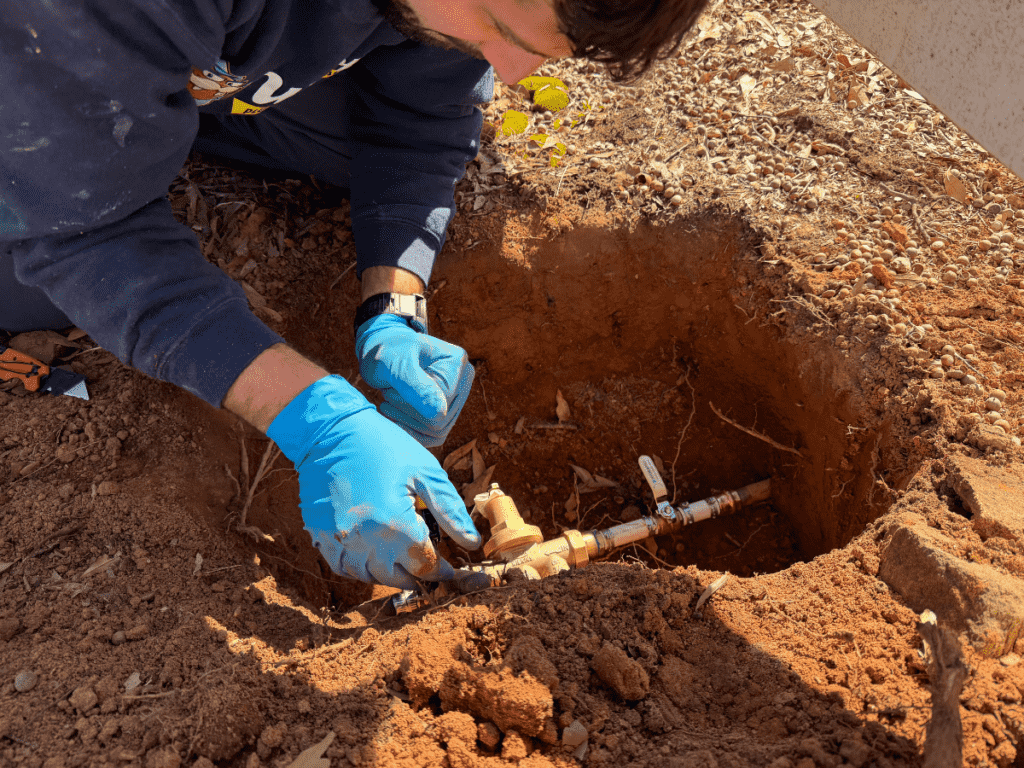
There’s a small but mighty device called a pressure regulator valve (PRV) — usually located where the main water line enters your home.
Its job?
To keep incoming pressure from getting too high and damaging your plumbing.
Sure, strong pressure feels good rinsing off… but your plumbing system isn’t nearly as excited about it.
🚿 What Causes Low Water Pressure?
Dealing with low water flow? Here are some common causes:
- A partially closed shut-off valve
- Hidden leaks
- An aging pressure regulator
- Issues with the city supply
Low pressure can be annoying — but it can also signal a bigger plumbing problem.
💥 What About High Water Pressure?
High pressure sounds like a luxury… but it can actually cause trouble.
Too much pressure can:
- Strain pipes
- Damage appliances
- Shorten your water heater’s lifespan
- Lead to leaks
If you hear pipes banging — known as water hammer — or you’re dealing with frequent leaks, your water pressure could be too high.
🧰 How to Tell If Your Pressure Is Right
The easiest way?
A simple pressure gauge test on an outdoor spigot. It’ll tell you your PSI in seconds.
If it’s over 60–70 PSI, it’s a good idea to have it looked at. Too low? That needs attention too.
🦭 Wally’s Two Cents
Your plumbing should run smooth and steady — not whisper-quiet one day and firehose wild the next.
Water pressure works quietly in the background to keep your home running smoothly — but when it’s not right, you can definitely tell.
If the water’s actin’ funny — low flow, loud pipes, or just not quite right — don’t ignore it. Handling pressure problems early can save you from busted pipes and big repair bills later.
And if you’d rather not mess with gauges and valves yourself…
Well, y’all know who to call.
Y’all Call Wally. 💧🦭
📞 Call (864) 536-0887
🧰 Schedule online at www.callwaldrop.com