Proudly serving Upstate South Carolina and surrounding areas






Carbon Monoxide & Heating Systems: What You Need to Know
Serving Upstate South Carolina with trusted home comfort solutions since 1970.

4.8 Google Rating



Hey there, friend 👋
When the weather turns chilly, your heating system becomes the hardest-workin’ member of the household. But while it’s keepin’ you warm, there’s something else you oughta be thinkin’ about—carbon monoxide.
Wally’s here to keep things easy to understand, because while this topic matters a whole lot, it doesn’t need to be confusing or alarming.
What Is Carbon Monoxide, Anyway?
CO is a gas you can’t see or smell that’s released when fuel-burning appliances don’t burn fuel the way they should.
Since there’s no smell or color to alert you, carbon monoxide can quietly build up in your home and become a real danger.
Wally’s tip: If you’ve got fuel-burning appliances, CO safety should always be on your radar.
How Heating Systems Can Produce Carbon Monoxide
Many common heating systems rely on fuel to do their job, including:
- Gas furnaces
- Boilers
- Heat systems connected to fireplaces
- Older or poorly vented heaters
When heating systems aren’t properly maintained or have blockages or damage, carbon monoxide can end up inside your home instead of venting outside.
Wally’s reminder: Exhaust belongs outdoors, not hangin’ around inside your home.
Warning Signs of a Carbon Monoxide Problem
Since carbon monoxide is sneaky, the symptoms often show up in people before they show up in your equipment.
Watch for signs like:
- Headaches or dizziness
- Nausea or fatigue
- Shortness of breath
- Confusion or flu-like symptoms
On the system side, you might notice:
- Soot buildup near vents or appliances
- Pilot lights that burn yellow instead of blue
- Rusted or disconnected vent pipes
If anything feels off—trust your gut and act fast.
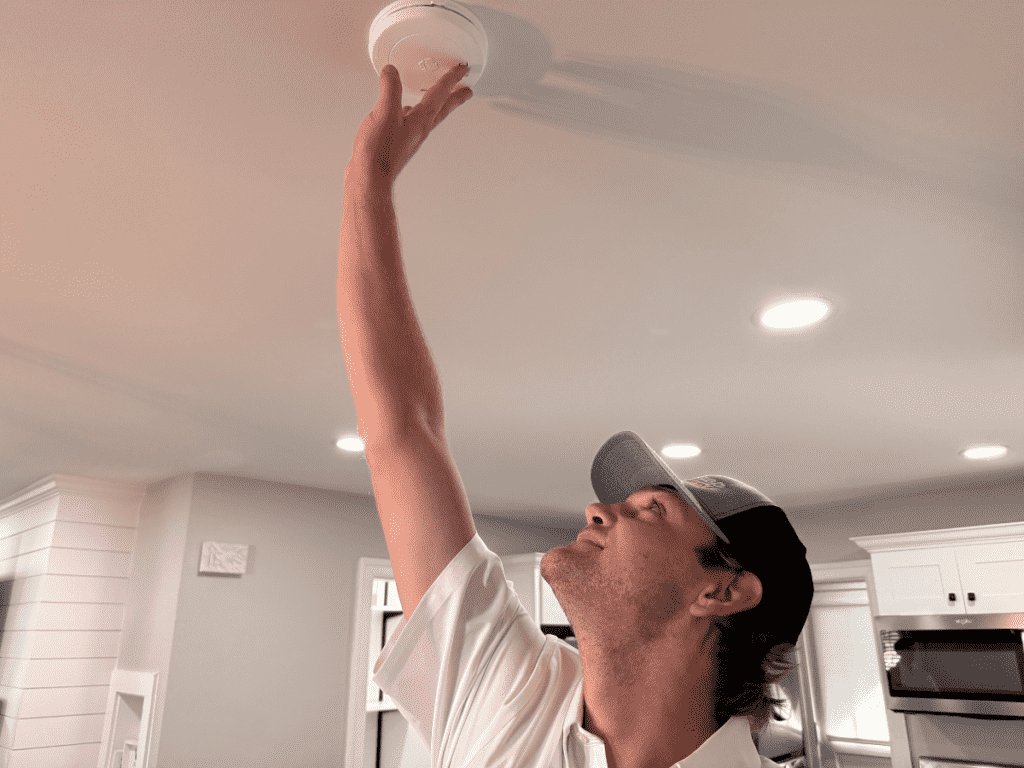
The Importance of Carbon Monoxide Detectors
Carbon monoxide detectors are your home’s early warning system. They alert you before CO levels become dangerous.
Wally’s must-dos:
- Install CO detectors near bedrooms and on every level of your home
- Test them monthly
- Replace batteries regularly
- Replace the unit itself according to manufacturer guidelines
If a detector goes off, don’t ignore it—get fresh air and call a professional right away.
Why Regular Heating Maintenance Matters
Regular maintenance helps catch small problems early, and professional inspections can identify cracks or venting issues before carbon monoxide becomes a concern.
Wally’s reminder: A tune-up doesn’t just protect your system—it protects your family.
When to Call a Professional
Call for help right away if:
- Your CO detector sounds
- You or your family feel unexplained symptoms
- Your heating system is acting strange
- Your system hasn’t been inspected in over a year
Carbon monoxide issues aren’t DIY problems—this is one time to let the pros handle it.
Final Thoughts from Wally 🦭
Your heating system should keep you warm—not put your health at risk. With proper maintenance, working detectors, and quick action when somethin’ seems off, carbon monoxide is a danger you can stay ahead of.
And if you ever have concerns about your heating system or home safety…
Y’all Call Wally. 💙
Call: [phonenumber]
Complete Home Comfort Awaits
From plumbing and electrical to heating, cooling, and indoor air quality, Waldrop is here to keep your whole home running comfortably. Schedule your service today and experience trusted care from the team Upstate homeowners have counted on for generations.