Proudly serving Upstate South Carolina and surrounding areas






Ductless Mini-Split Problems: What Our HVAC Technicians See Most Often
Serving Upstate South Carolina with trusted home comfort solutions since 1970.

4.8 Google Rating


Ductless mini-splits are growing in popularity across the Upstate — especially for additions, sunrooms, converted garages, and the historic mill village homes in communities like Lyman, Pacolet, and Ware Shoals where traditional ductwork simply doesn’t fit. Our technician Alexander recently serviced a mini-split system in a Mauldin home addition where the homeowner had been struggling with uneven temperatures for months. The issue turned out to be a filter that hadn’t been cleaned since installation two years prior — completely caked with dust and pet hair, restricting airflow to the point where ice was forming on the evaporator coil.
Mini-splits are efficient and versatile, but they’re not maintenance-free. Here are the issues our technicians encounter most frequently.
Dirty Filters and Coils
Mini-splits have washable air filters inside the indoor unit that need cleaning every 2-4 weeks during heavy use. Unlike ducted systems where a dirty filter causes gradual performance loss, a clogged mini-split filter can quickly lead to ice formation on the evaporator coil because the indoor unit is so compact.
How to clean: Open the front panel, slide out the filters, rinse with warm water, let them dry completely, and reinstall. Takes 5 minutes.
The evaporator coil behind the filters also needs periodic cleaning. Dust and debris that bypass the filter accumulate on the coil fins, reducing efficiency. We clean mini-split coils during annual maintenance using a no-rinse coil cleaner and soft brush.
Water Leaking from the Indoor Unit
This is the most common mini-split complaint we get. The indoor unit produces condensation that drains through a small line to the outside. When that line clogs – from algae, dust, or insect nests – water backs up and drips from the unit.
Signs: Water dripping from the bottom or sides of the indoor unit, water stains on the wall below the unit, or a musty smell.
Fix: Clear the drain line. For recurring clogs, we install an inline condensate pump or reroute the drain for better gravity flow.
Blinking Lights or Error Codes
Mini-splits communicate problems through LED indicator lights on the indoor unit. A blinking light pattern corresponds to a specific error code – the meaning varies by manufacturer (Mitsubishi, Fujitsu, Daikin, LG, etc.).
Common codes indicate: dirty filter reminder, communication error between indoor and outdoor units, sensor failure, or refrigerant issues. Check your owner’s manual for the specific code, but most blinking patterns beyond the filter reminder need professional diagnosis.
The Outdoor Unit Won’t Start
Mini-split outdoor units (condensers) are smaller than conventional units but have the same key components: compressor, fan motor, capacitor, and control board. Failure of any of these prevents the outdoor unit from starting.
Before calling, check the dedicated breaker and the disconnect switch near the outdoor unit. If power is good but the unit won’t start, it’s likely a capacitor, control board, or compressor issue.
Poor Heating Performance in Winter
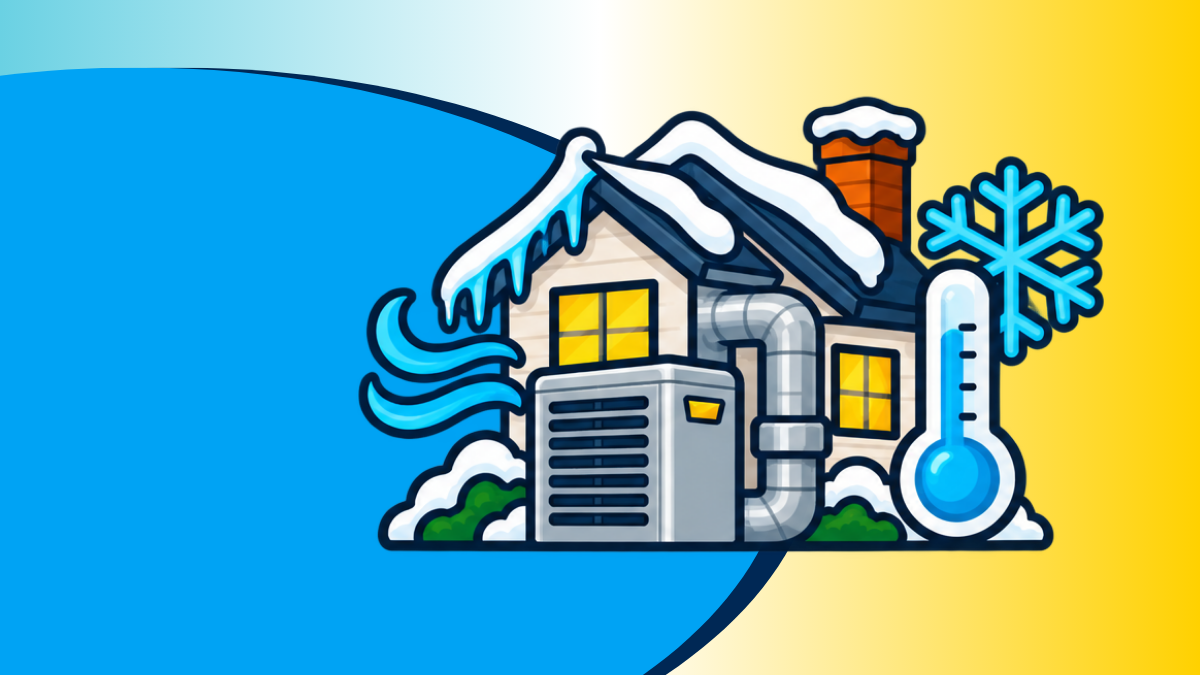
Mini-splits are heat pumps, so heating efficiency drops as outdoor temperatures decrease. Most standard mini-splits lose significant capacity below 25-30°F. If your mini-split heats well in fall but struggles during January cold snaps, it may be operating as designed.
Solutions: Hyper-heat models (like Mitsubishi’s H2i series) are engineered to heat effectively down to -13°F. If you’re relying on a mini-split as primary heat in the Upstate, make sure it’s a cold-climate model. We can also add supplemental heating for the coldest days.
Odors from the Indoor Unit
A musty or sour smell from the indoor unit indicates mold or mildew growth on the evaporator coil or inside the blower wheel housing. Mini-splits are particularly susceptible because the indoor unit stays damp during cooling season.
Prevention: Run the unit in fan-only mode for 15-30 minutes after cooling to dry the coil. Some models have a “dry” mode for this purpose. Professional cleaning addresses existing mold growth.
Maintenance Schedule
- Every 2-4 weeks: Clean or rinse the filters
- Annually: Professional coil cleaning, drain line clearing, refrigerant check, electrical inspection
- Every 3-5 years: Deep cleaning of the blower wheel (requires partial disassembly)
Regular maintenance keeps a mini-split running at peak efficiency for 15-20 years.
YOUTUBE EMBED: One Drain – Waldrop Plumbing Air Electric TV Commercial — @YallCallWally
Call Waldrop Plumbing Air Electric at (864) 536-0887 to schedule mini-split maintenance or repair.
RELATED POSTS:
- Why Does My Drain Keep Clogging → https://www.callwaldrop.com/blog/why-does-my-drain-keep-clogging/
- Chemical Drain Cleaner? Bad Idea → https://www.callwaldrop.com/blog/can-you-use-chemical-drain-cleaneror-is-it-a-bad-idea-upstate-sc/
- Club Wally → https://www.callwaldrop.com/blog/fall-into-comfort-by-joining-club-wally-upstate-sc/

Complete Home Comfort Awaits
From plumbing and electrical to heating, cooling, and indoor air quality, Waldrop is here to keep your whole home running comfortably. Schedule your service today and experience trusted care from the team Upstate homeowners have counted on for generations.