Proudly serving Upstate South Carolina and surrounding areas






Does Greenville, SC Have Hard Water? What That Means for Your Pipes and Appliances
Serving Upstate South Carolina with trusted home comfort solutions since 1970.

4.8 Google Rating

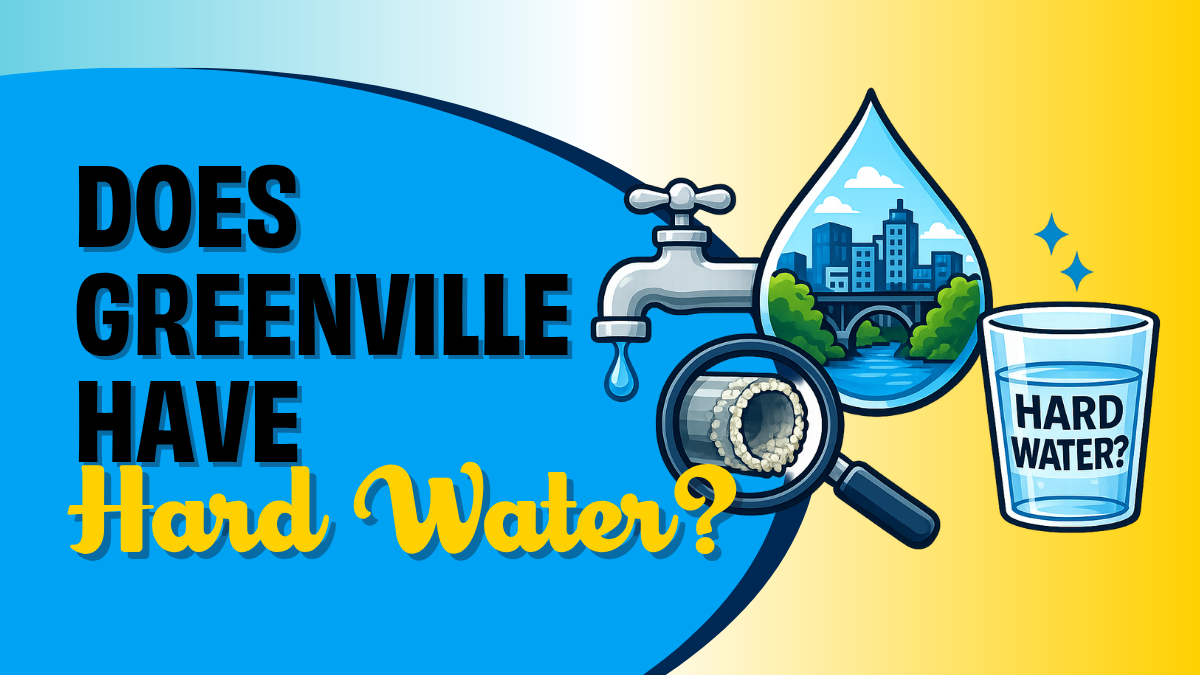
If you’ve noticed white spots on your dishes, soap that doesn’t lather well, or faucets covered in chalky buildup, you may be dealing with hard water.
Many homeowners in Greenville, SC, and throughout the Upstate wonder if hard water is common—and the answer is yes. While water quality can vary depending on your specific location and water source, much of the Upstate experiences water that contains naturally occurring minerals like calcium and magnesium.
Hard water isn’t considered unsafe to drink, but it can take a toll on your home’s plumbing, water-using appliances, and even your monthly utility bills.
Let’s take a closer look at what hard water is, how to recognize it, and what you can do about it.
What Is Hard Water?
Hard water is simply water that contains higher concentrations of dissolved minerals, primarily:
- Calcium
- Magnesium
As groundwater moves through rock and soil, it naturally picks up these minerals before making its way into your home’s plumbing.
The result is water that’s perfectly safe for most household uses, but one that can leave behind mineral deposits over time.
Signs You May Have Hard Water
Not sure if your home has hard water? Here are some of the most common signs:
White, Chalky Buildup
Mineral deposits, often called limescale, can accumulate around:
- Faucets
- Showerheads
- Sink fixtures
- Glass shower doors
If you constantly notice white residue, hard water is often the culprit.
Soap Doesn’t Lather Well
Hard water reacts with soap, making it more difficult to create a rich lather.
You may find yourself using:
- More shampoo
- More laundry detergent
- More dish soap
Even after cleaning, surfaces may still feel like they have a film on them.
Spots on Glassware and Dishes
If your dishwasher leaves behind cloudy glasses or water spots that won’t wipe away, mineral deposits from hard water may be to blame.
Dry Skin and Hair
Many homeowners also notice that hard water leaves their skin feeling dry or their hair feeling dull after showering.
How Hard Water Affects Your Plumbing
The biggest concern with hard water isn’t what you can see… it’s what you can’t.
Over time, minerals begin to collect inside your plumbing pipes.
As scale builds up, it can:
- Reduce water flow
- Lower water pressure
- Make your plumbing system less efficient
- Increase wear on fixtures and valves
While this process happens gradually, years of mineral buildup can contribute to plumbing issues that require professional attention.
Your Appliances Feel the Effects Too
Any appliance that uses water can experience mineral buildup.
This includes:
- Water heaters
- Dishwashers
- Washing machines
- Ice makers
- Coffee makers
As minerals accumulate, appliances often have to work harder to perform the same job.
That can lead to:
- Reduced efficiency
- Longer heating times
- Increased energy use
- Shorter appliance lifespan
For example, mineral scale inside a water heater acts like insulation between the heating element and the water, making the unit work harder to heat your home’s water.
Can Hard Water Increase Utility Bills?
It can.
When appliances become less efficient because of mineral buildup, they often consume more electricity or gas to perform everyday tasks.
Over time, this extra energy use can contribute to higher utility costs while also increasing wear and tear on your equipment.
How Can You Protect Your Home?
If hard water is causing problems in your home, there are several ways to reduce its impact.
A licensed plumber can evaluate your home’s water quality and recommend solutions that fit your needs.
Depending on your situation, options may include:
- Water softening systems
- Whole-home water treatment solutions
- Routine plumbing inspections
- Water heater maintenance to reduce mineral buildup
Addressing hard water early can help protect your plumbing system and extend the life of your appliances.
Should You Test Your Water?
If you’ve noticed multiple signs of hard water, it’s worth having your home’s water evaluated.
A professional assessment can determine:
- Whether hard water is present
- The level of mineral content
- Whether treatment would benefit your home
Knowing what’s in your water allows you to make informed decisions about protecting your plumbing system.
Trust Waldrop for Water Quality Solutions in Greenville, SC
Whether you’re concerned about hard water, water quality, or protecting your plumbing system, the team at Waldrop is here to help. Our experienced plumbers can evaluate your home’s water, identify potential issues, and recommend solutions that keep your plumbing running efficiently for years to come.
Join Club Wally for Even More Protection
- Priority scheduling
- Waived dispatch fees
- 10% discount on repairs
- Annual loyalty credit
- Seasonal HVAC system checks
- Whole-home plumbing inspection
- Premium financing options
- Coverage for unlimited HVAC systems at your home
Ask our team how Club Wally can help you stay ahead of costly plumbing and HVAC repairs.

Complete Home Comfort Awaits
From plumbing and electrical to heating, cooling, and indoor air quality, Waldrop is here to keep your whole home running comfortably. Schedule your service today and experience trusted care from the team Upstate homeowners have counted on for generations.