Skip to content

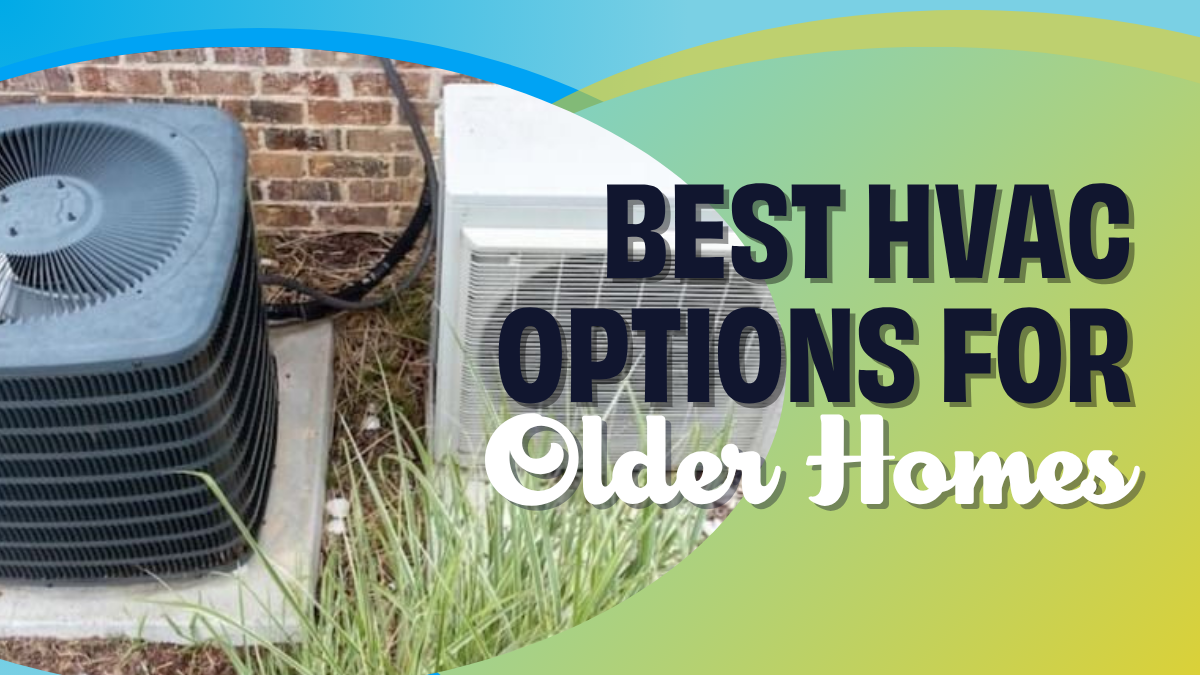
The best HVAC option for an older home near Downtown Greenville depends on the home’s ductwork, insulation, electrical capacity, layout, and comfort problems. Ductless mini-splits, high-efficiency heat pumps, central AC replacements, dual-fuel systems, and targeted duct upgrades can all work well when properly sized and installed in an older home.
Older homes near Downtown Greenville have charm that newer homes often cannot match. Historic details, established neighborhoods, tall ceilings, porches, original woodwork, and unique floor plans all make these homes special. But when it comes to heating and cooling, older homes can be challenging.
In this guide, we will explain the best HVAC options for older homes near Downtown Greenville, what homeowners should consider before upgrading, and when to call Waldrop Plumbing Air Electric for help choosing the right comfort system.
Why Are Older Downtown Greenville Homes Harder to Heat and Cool?
Older homes were often built before modern HVAC systems became standard. That means the home may not have ductwork, may have limited space for new equipment, or may have insulation that does not meet today’s comfort expectations.
Common HVAC challenges in older homes include:
- No existing ductwork
- Undersized or leaky ducts
- Limited attic or crawl space access
- Drafty windows and doors
- Poor insulation
- High ceilings
- Room additions from different eras
- Uneven temperatures between floors
- Limited electrical capacity
- Tight mechanical closets
- Older wiring or panels
- Moisture or humidity issues
A standard system swap may not solve these problems. Older homes need HVAC solutions that fit the structure, not just the square footage.
Is a Ductless Mini-Split a Good Option for Older Greenville Homes?
Ductless mini-splits are often one of the best HVAC options for older homes without existing ductwork. They provide heating and cooling directly to specific rooms or zones without requiring large duct runs through walls, ceilings, or closets.
Ductless mini-splits can work well for:
- Historic homes without ducts
- Finished attics
- Sunrooms
- Home offices
- Converted garages
- Additions
- Upstairs bedrooms
- Basement spaces
- Rooms that never stay comfortable
- Homes where duct installation would be too invasive
Benefits of ductless mini-splits include:
- Room-by-room temperature control
- Efficient heating and cooling
- Less invasive installation
- No duct energy loss
- Flexible placement options
- Strong comfort for problem rooms
Ductless systems are especially useful when one or two areas of the home need help, or when adding central ductwork would be expensive or disruptive.
Is Central AC Still a Good Choice for an Older Home?
Central AC can still be a strong option if the home already has usable ductwork. If the ducts are properly sized, sealed, insulated, and balanced, a modern central air system can provide whole-home cooling with a clean, familiar setup.
Central AC may be a good fit if:
- The home already has ductwork
- Ducts are in good condition
- You want whole-home cooling
- The layout allows balanced airflow
- You prefer vents over visible indoor units
- You are replacing an older central AC system
- Duct upgrades are manageable
Before choosing central AC, have the ductwork inspected. In older homes, duct problems are common and can make a new system underperform.
Duct issues may include:
- Air leaks
- Poor insulation
- Undersized return ducts
- Crushed duct sections
- Disconnected ducts
- Uneven airflow
- Dust buildup
- Hot and cold spots
A new central AC system is only as good as the ductwork that delivers the air.
Are Heat Pumps a Smart HVAC Option in Greenville?
Heat pumps are a popular option in the Greenville area because they provide both heating and cooling from one system. They are especially effective in climates with mild to moderate winters, making them a practical choice for many homes in Upstate South Carolina.
A heat pump may be a good option if you want:
- Cooling and heating in one system
- Energy-efficient comfort
- A modern replacement for older equipment
- Better year-round performance
- Compatibility with ducted or ductless setups
- Lower reliance on separate heating equipment
For older homes, heat pumps can be installed as part of a central ducted system or as ductless mini-splits. The right approach depends on the home’s layout, ductwork, and electrical readiness.
When Should Homeowners Consider a Dual-Fuel HVAC System?
A dual-fuel system combines an electric heat pump with a gas furnace. The heat pump handles heating during milder weather, while the furnace provides stronger heat when temperatures drop.
A dual-fuel system may be a good fit if:
- The home already has gas service
- You want efficient heating during mild weather
- You want strong backup heat for colder days
- You are replacing both AC and furnace equipment
- The home has existing ductwork
- Comfort and flexibility are priorities
For older homes near Downtown Greenville, dual-fuel can offer a balanced approach when homeowners want modern efficiency without giving up powerful heat.
Can HVAC Zoning Help Older Homes With Uneven Temperatures?
Yes. Zoning can help when different areas of the home have different comfort needs. Older homes often have rooms that heat and cool unevenly because of layout, sun exposure, insulation gaps, or additions.
Zoning may help if:
- Upstairs rooms are too hot
- Downstairs rooms feel cooler
- Additions do not match the rest of the home
- Bedrooms need different temperatures
- One side of the home gets more sun
- Family members prefer different comfort settings
- Some rooms are used less often
Ductless mini-splits naturally create zones. Ducted systems may also use zoning controls, depending on duct design and equipment compatibility.
Why Does Proper HVAC Sizing Matter in Older Homes?
Sizing is one of the most important parts of HVAC replacement. Older homes are often harder to size because square footage alone does not tell the full story.
Proper sizing should consider:
- Insulation levels
- Window type and condition
- Ceiling height
- Air leaks
- Home orientation
- Sun exposure
- Ductwork condition
- Number of floors
- Room additions
- Household usage
- Greenville humidity
An oversized system may cool too quickly, leaving humidity behind. An undersized system may run constantly and still fail to keep up. A proper load calculation helps match the system to the actual home.
How Does Humidity Affect HVAC Choices in Greenville?
Greenville summers can bring heat and humidity. In older homes, humidity can be harder to control if there are air leaks, crawl space moisture, poor insulation, or an oversized AC system.
High indoor humidity can cause:
- Sticky or clammy air
- Musty odors
- Mold or mildew concerns
- Swollen doors or trim
- Poor sleep comfort
- Condensation near vents
- More thermostat adjustments
- Higher cooling costs
HVAC options that support better humidity control include:
- Properly sized AC systems
- Variable-speed heat pumps
- Two-stage cooling equipment
- Duct sealing
- Improved airflow
- Whole-home dehumidifiers
- Crawl space moisture solutions when needed
Cooling the air is only part of the job. The right system should also help the home feel dry and comfortable.
Should Ductwork Be Repaired Before Replacing HVAC Equipment?
In many older homes, yes. Ductwork should be inspected before installing new HVAC equipment. Leaky or poorly designed ducts can waste conditioned air and reduce comfort, even with a brand-new system.
Ductwork upgrades may include:
- Sealing duct leaks
- Adding insulation
- Improving return airflow
- Replacing damaged duct sections
- Balancing airflow
- Rerouting problem areas
- Adding ducts to underserved rooms
- Removing crushed or disconnected sections
If your home has hot and cold spots, weak airflow, or high energy bills, ductwork may be part of the problem.
What If the Home Has Limited Electrical Capacity?
Older homes may have electrical panels that were not designed for modern HVAC loads, especially if the homeowner is considering heat pumps, ductless systems, or other high-efficiency equipment.
Electrical factors to check include:
- Panel capacity
- Available breaker space
- Existing wiring condition
- Dedicated circuit needs
- Outdoor disconnect condition
- Grounding and bonding
- Compatibility with new equipment
- Plans for future upgrades
Because Waldrop Plumbing Air Electric provides electrical and HVAC services, our team can help evaluate whether the home is ready for the system you want.
How Can Insulation and Air Sealing Improve HVAC Performance?
Sometimes the HVAC system is only part of the problem. Older homes may lose conditioned air through poor insulation, drafty openings, or gaps around the attic, crawl space, windows, and doors.
Improving the home envelope can help:
- Reduce HVAC runtime
- Improve comfort
- Lower energy waste
- Reduce hot and cold spots
- Support better humidity control
- Make smaller or more efficient systems possible
- Extend HVAC equipment life
Before choosing a new system, it is smart to identify whether insulation or air leaks are worsening comfort problems.
Which HVAC Option Is Best for a Historic or Character Home?
The best HVAC option is the one that protects comfort without creating unnecessary disruption to the home’s structure or character.
For many older homes, the best solution may be:
- Ductless mini-splits for rooms without ducts
- Central AC replacement where ductwork is usable
- Heat pump installation for year-round efficiency
- Dual-fuel system for flexible heating
- Duct sealing and airflow improvements
- Whole-home dehumidification for moisture control
- Hybrid comfort solutions for additions and problem rooms
There is no one-size-fits-all answer. A historic home near Downtown Greenville may need a custom comfort plan.
What Questions Should Homeowners Ask Before Choosing HVAC?
Before installing a new HVAC system, ask questions that focus on the home’s real comfort needs.
Helpful questions include:
- Does my home have usable ductwork?
- Would ductless be less disruptive?
- Is central AC practical for my layout?
- Would a heat pump work well for my home?
- Should I consider dual-fuel heating?
- Do I need duct repairs first?
- Is my electrical panel ready?
- Are humidity problems part of the issue?
- Is the system properly sized?
- Are there rooms that need zoning?
- What maintenance will the system need?
- Which option gives the best long-term value?
These questions help homeowners avoid choosing a system based only on price or equipment type.
How Can Waldrop Help Older Greenville Homes Stay Comfortable?
Waldrop Plumbing Air Electric can help homeowners near Downtown Greenville choose HVAC solutions that fit older homes. Our team can evaluate your current system, ductwork, electrical readiness, comfort problems, and long-term goals.
We can help with:
- HVAC system replacement
- Ductless mini-split installation
- Heat pump installation
- Central AC installation
- Furnace and dual-fuel systems
- Ductwork inspection
- Airflow improvements
- Humidity control
- Electrical panel evaluations
- HVAC maintenance and repair
- Whole-home comfort planning
Our team can help you compare options and choose a system that respects your home’s layout while improving comfort.
Choose an HVAC System That Fits Your Older Greenville Home
Older homes near Downtown Greenville need HVAC solutions that fit their structure, not generic replacements. Ductless mini-splits, central AC, heat pumps, dual-fuel systems, duct upgrades, and humidity control can all be smart options when they match the home’s layout and comfort needs.
If your older Greenville home has uneven temperatures, weak airflow, outdated equipment, no ductwork, or rooms that never feel comfortable, contact Waldrop Plumbing Air Electric today. Our team can inspect your home and help you choose the best HVAC option for lasting comfort.