Proudly serving Upstate South Carolina and surrounding areas






8 Everyday Habits That Are Slowly Destroying Your Plumbing
Serving Upstate South Carolina with trusted home comfort solutions since 1970.

4.8 Google Rating

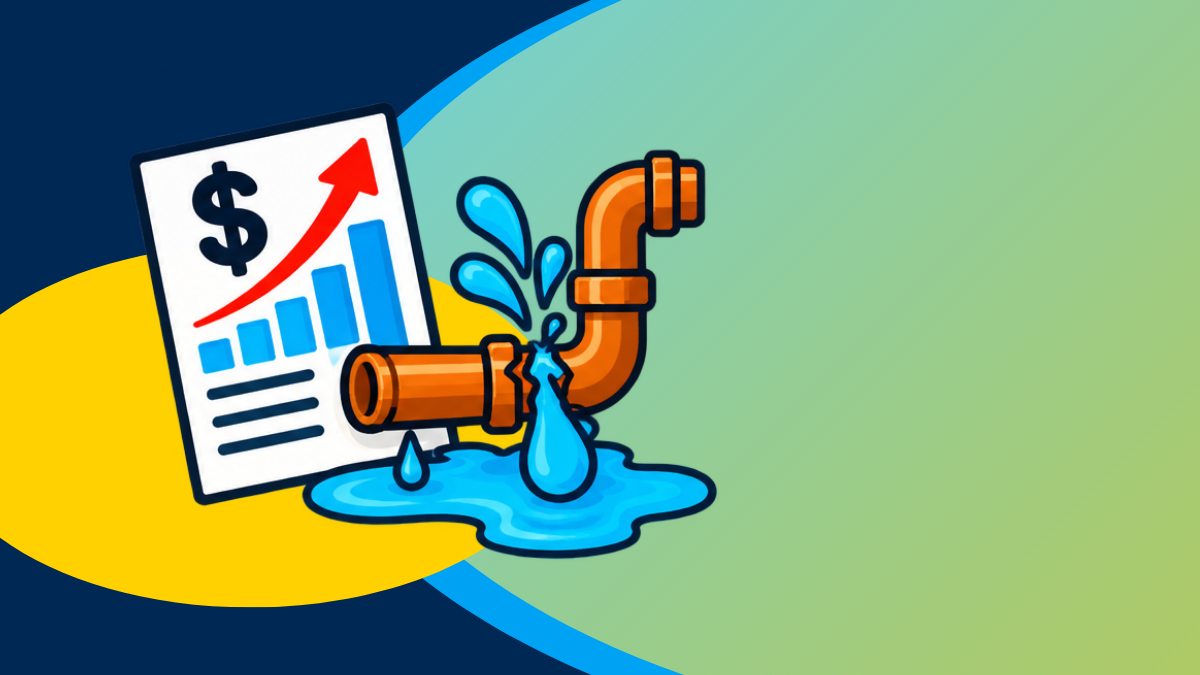
Most plumbing problems don’t happen overnight. They build up over months and years of small habits that homeowners don’t realize are harmful. Our plumber Dillon, who works the Duncan and Boiling Springs area, recently installed a new shower drain and PRV in a Boiling Springs home where years of accumulated habits had taken their toll. The shower drain was clogged with a combination of hair, soap residue, and old sharkbite fittings that had corroded from hard water exposure. Total repair: $1,920 — for damage that started with small, preventable habits.
Here are the habits that cause the most damage.
1. Pouring Grease Down the Drain
We covered this in detail in our drain clog guide, but it bears repeating because it’s the single most damaging kitchen habit. Cooking oil, bacon grease, butter, and salad dressing all solidify inside your pipes. The buildup compounds over time until you have a complete blockage.
Instead: Collect grease in a jar or can and dispose of it in the trash once it solidifies.
2. Using Chemical Drain Cleaners
Products like Drano and Liquid-Plumr are corrosive. They generate heat through a chemical reaction to dissolve clogs, but that same reaction damages PVC pipe joints, corrodes metal pipes, and can weaken rubber gaskets and seals. Repeated use accelerates pipe deterioration.
We’ve seen PVC pipes with softened, warped sections directly attributable to chemical drain cleaner use. A $10 bottle of drain cleaner can lead to a $500 pipe repair.
Instead: Use a plunger, a drain snake, or call a plumber for persistent clogs.
3. Treating the Toilet Like a Trash Can
Toilets are designed for human waste and toilet paper – nothing else. Flushing “flushable” wipes is one of the biggest myths in plumbing. Those wipes do not break down like toilet paper. They snag on pipe joints, combine with grease, and create blockages we call “fatbergs” in the sewer line.
Other common culprits: cotton balls, cotton swabs, dental floss, feminine hygiene products, paper towels, and cat litter.
Instead: Keep a trash can next to the toilet. If it isn’t human waste or toilet paper, it goes in the trash.
4. Ignoring Small Leaks
A dripping faucet or a “minor” toilet leak doesn’t stay minor. A running toilet can waste 200 gallons per day. A small supply line drip under the sink creates a perfect environment for mold growth inside the cabinet – and that mold can spread into the wall cavity.
Instead: Fix leaks when you first notice them. A $15 flapper replacement now prevents a $3,000 mold remediation later.
5. Over-Tightening Connections
DIY plumbing enthusiasts frequently overtighten fittings, supply line connections, and faucet mounting hardware. Over-tightening cracks porcelain (toilet bolts), strips threads (compression fittings), and stresses connections that eventually leak.
Instead: Tighten until snug, then stop. For compression fittings, hand-tight plus a quarter turn with a wrench is usually sufficient.
6. Leaving Hose Bibs Connected in Winter
In Upstate SC, we get enough freezing nights to burst pipes if hose bibs aren’t properly prepared. Leaving a garden hose connected to an outdoor faucet traps water in the hose bib and the pipe behind it. When that water freezes, it can split the pipe inside the wall – and you won’t know until it thaws and floods.
Instead: Disconnect hoses before the first freeze. If you have frost-free hose bibs, they only work if the hose is disconnected. Close the interior shut-off valve to outdoor faucets if your home has one.
7. Using Too Much Pressure on Shut-Off Valves
Under-sink shut-off valves (angle stops) that haven’t been turned in years can seize. Forcing them open or closed can break the valve or crack the supply line connection. We see this most often during DIY toilet replacements.
Instead: Exercise your shut-off valves once a year – turn them off and back on to keep them functional. If a valve is frozen, call a plumber rather than forcing it.
8. Hanging Things from Exposed Pipes
In basements and utility rooms, exposed pipes look like convenient places to hang laundry, storage items, or holiday lights. But added weight stresses pipe joints and hangers, leading to leaks at connections over time.
Instead: Keep pipes clear. Use dedicated hooks or shelving for storage.
The Common Thread
Every one of these habits is about small, repeated damage that compounds over time. Plumbing is designed to be durable, but it’s not indestructible. Treating your system with basic care extends its life by decades.
YOUTUBE EMBED: One Drain – Waldrop Plumbing Air Electric TV Commercial — @YallCallWally
Call Waldrop Plumbing Air Electric at (864) 536-0887 if any of these habits have caught up with you. We’ll assess the damage and give you honest options.
RELATED POSTS:
- Why Does My Drain Keep Clogging → https://www.callwaldrop.com/blog/why-does-my-drain-keep-clogging/
- Chemical Drain Cleaner? Bad Idea → https://www.callwaldrop.com/blog/can-you-use-chemical-drain-cleaneror-is-it-a-bad-idea-upstate-sc/
- Club Wally → https://www.callwaldrop.com/blog/fall-into-comfort-by-joining-club-wally-upstate-sc/
Complete Home Comfort Awaits
From plumbing and electrical to heating, cooling, and indoor air quality, Waldrop is here to keep your whole home running comfortably. Schedule your service today and experience trusted care from the team Upstate homeowners have counted on for generations.