Skip to content

If your home has an electric water heater, you may notice a small tank connected to the plumbing near the water heater. This is called a water heater expansion tank, and it plays an important role in protecting your plumbing system from excess pressure.
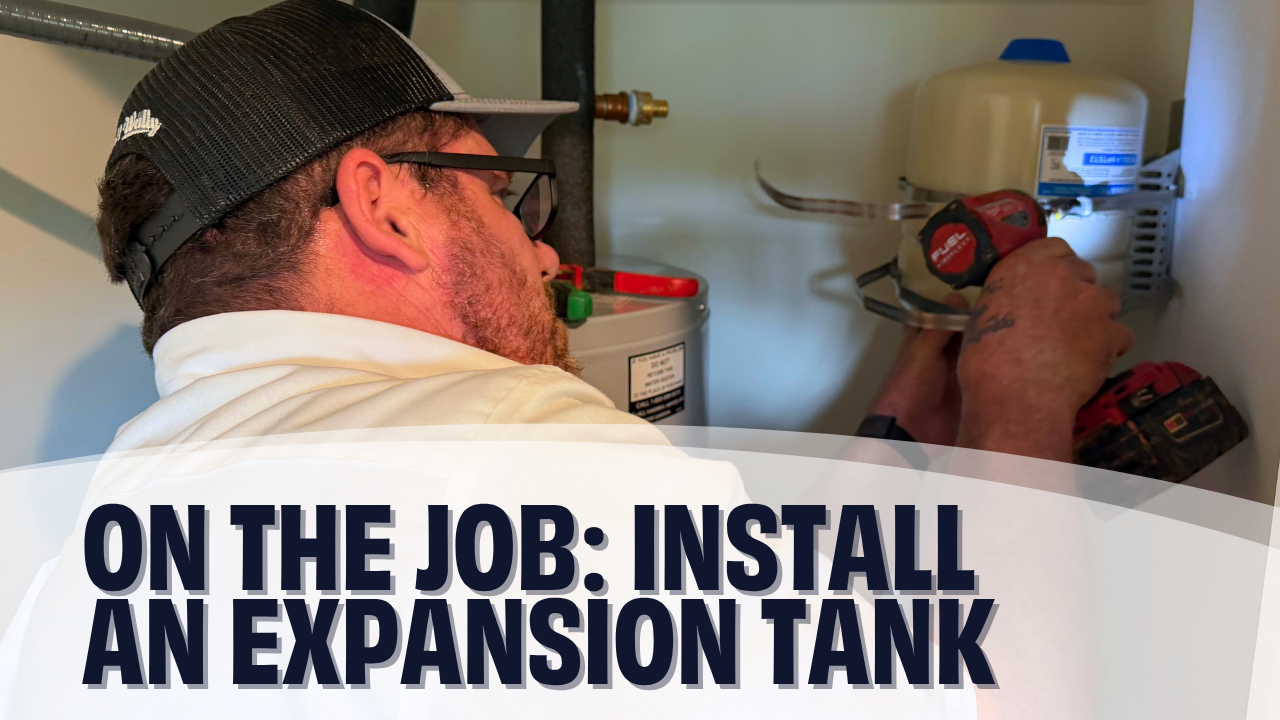
During a recent service call, Chad, one of our plumbers at Waldrop Plumbing Air Electric, replaced an expansion tank after discovering that the home’s water pressure was over 100 PSI. Here’s what was happening and why fixing the problem mattered.
What Does a Water Heater Expansion Tank Do?
When water heats up inside your water heater, it expands. In certain plumbing systems, that additional volume has nowhere to go, which can cause the pressure inside the system to increase.
A properly installed thermal expansion tank gives that expanding water somewhere to go. Inside the tank is a bladder that separates water from a pressurized air chamber. This helps absorb changes in pressure and reduces stress on the water heater and plumbing system.
What Happens When an Expansion Tank Fails?
At this particular home, Chad found water pressure exceeding 100 PSI. The existing expansion tank was no longer functioning properly and had become waterlogged.
A failed or improperly pressurized expansion tank may contribute to problems such as:
- Fluctuating or excessive plumbing pressure
- Water dripping from the water heater’s temperature and pressure relief valve
- Additional stress on plumbing fixtures and connections
- Premature wear on water heater components
- A heavy, waterlogged expansion tank that can strain its piping
Simply replacing the expansion tank isn’t always enough. It’s also important to determine why the tank failed and make sure the home’s water pressure is properly controlled.
What Is the Correct Water Pressure for an Expansion Tank?
Before installing the new expansion tank, Chad prepared it to match the home’s regulated water pressure, which was 70 PSI.
Expansion tanks are typically pre-charged with air, but that pressure should be adjusted as necessary to match the home’s static water pressure before installation. Matching these pressures allows the expansion tank’s internal bladder to function as intended.
High household water pressure should also be addressed rather than relying on the expansion tank to compensate for excessive pressure.
Why Does the Expansion Tank Need to Be Secured?
Chad also explained another important part of the installation: properly supporting the expansion tank.
Once an expansion tank contains water, it can become considerably heavier. If it’s left hanging from unsupported piping, that weight can put unnecessary stress on fittings and plumbing connections.
For this installation, the new expansion tank was secured to the wall and the piping was reconfigured to provide proper support. The goal was a secure installation that wouldn’t sag as the tank gained weight and that met applicable plumbing requirements.
Signs Your Water Heater Expansion Tank May Need Attention
Expansion tanks don’t last forever. If you have one installed near your water heater, it’s worth having it inspected if you notice unusual pressure changes, leaking around the water heater, frequent discharge from the relief valve, or visible problems with the tank or its piping.
You should also have your home’s water pressure checked if you suspect it may be too high. Excessive pressure can affect more than your water heater—it can place additional stress on fixtures, appliances, valves, and pipes throughout your home.
Need Water Heater or Plumbing Service in Upstate South Carolina?
A small component like an expansion tank can make a big difference in how your plumbing system handles pressure.
If you’re concerned about high water pressure, a failed water heater expansion tank, or another water heater problem, the experienced plumbers at Waldrop Plumbing Air Electric can inspect the system, identify what’s causing the issue, and recommend the appropriate repair.
Y’all Call Wally for plumbing and water heater service throughout Upstate South Carolina.