Proudly serving Upstate South Carolina and surrounding areas






How Long Should a Water Heater Last in a Greenville, SC Home?
Serving Upstate South Carolina with trusted home comfort solutions since 1970.

4.8 Google Rating

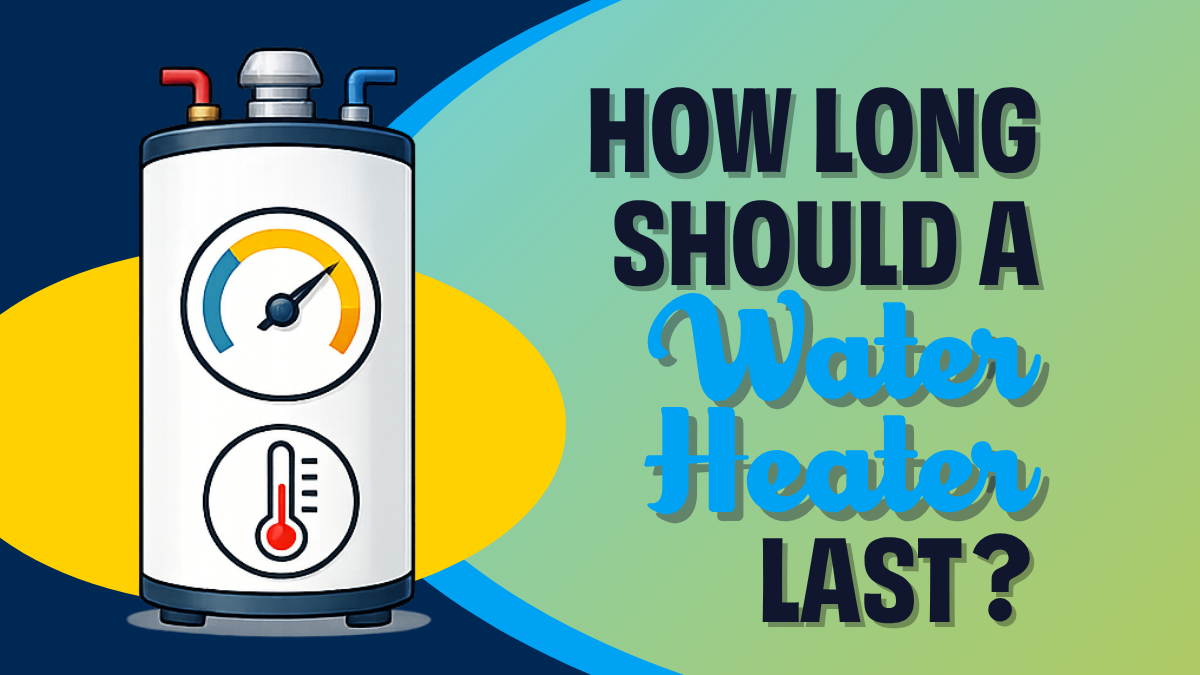
There’s nothing worse than stepping into the shower only to realize the hot water is gone. If your water heater has been around for years, you may be wondering whether it’s nearing the end of its life or if it still has plenty of years left.
So, how long should a water heater last in Greenville, SC?
The answer depends on the type of water heater you have, how well it’s been maintained, and the quality of your home’s water. Here’s what every Upstate homeowner should know.
Average Lifespan of a Water Heater
Most residential water heaters last:
- Traditional tank water heaters: 8–12 years
- Tankless water heaters: 15–20 years (or even longer with proper maintenance)
While these are good averages, some systems fail earlier due to heavy use, poor maintenance, or mineral buildup.
What Affects Water Heater Lifespan?
Several factors determine how long your water heater will continue working efficiently.
Water Quality
Greenville and many surrounding Upstate communities have moderately hard water. Minerals like calcium and magnesium naturally occur in the water supply.
Over time, these minerals settle inside your water heater tank as sediment. As the sediment builds up, it:
- Makes your water heater work harder
- Reduces heating efficiency
- Increases energy bills
- Causes overheating of the tank
- Shortens the lifespan of the unit
Homes with harder water often benefit from more frequent maintenance.
Maintenance
One of the biggest factors in extending the life of a water heater is regular maintenance.
Routine service may include:
- Flushing sediment from the tank
- Checking the temperature and pressure (T&P) relief valve
- Inspecting the anode rod
- Looking for leaks or corrosion
- Verifying proper water pressure
These simple inspections can help catch small issues before they become expensive repairs.
Usage
A family of five naturally uses much more hot water than a single occupant.
The more frequently your water heater cycles throughout the day, the faster its components wear over time.
Installation Quality
A properly sized, professionally installed water heater typically lasts longer than one that is undersized or incorrectly installed.
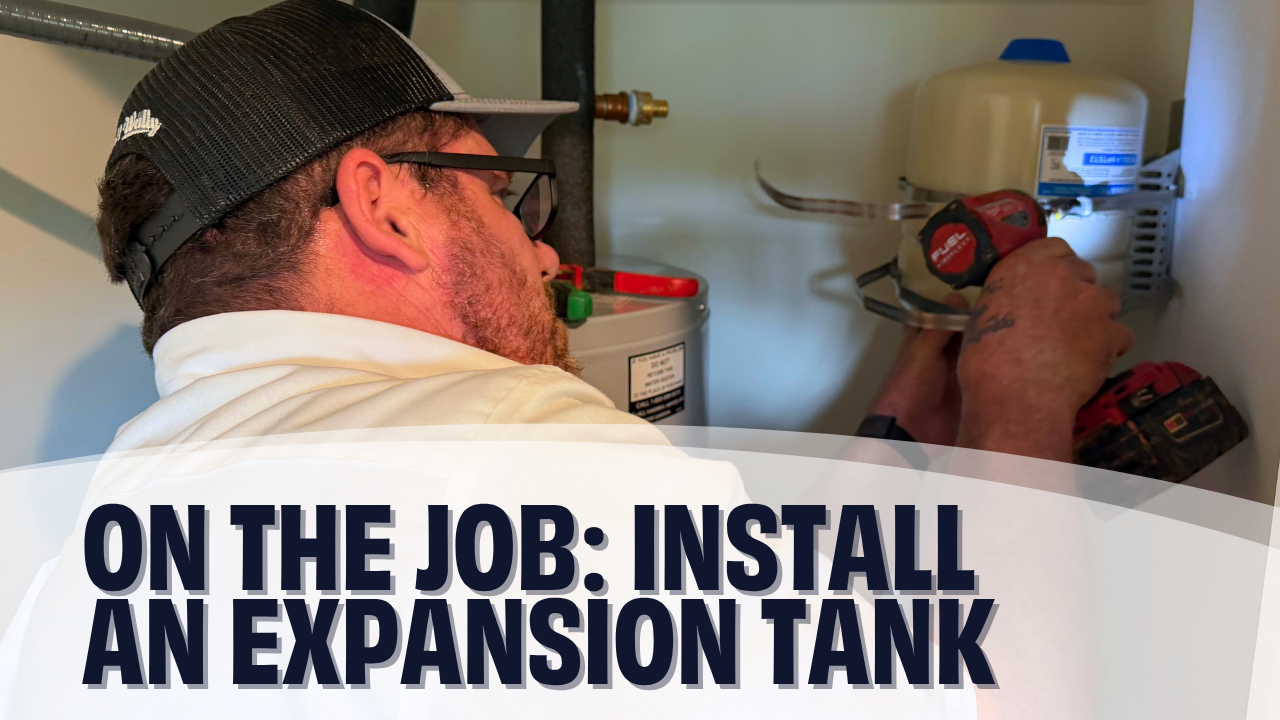
Proper expansion protection, pressure regulation, and plumbing connections all contribute to a longer service life.

Signs Your Water Heater May Be Nearing the End
Even if your water heater is still producing hot water, it may be showing signs that replacement is approaching.
Watch for:
Your Water Heater Is Over 10 Years Old
Age alone doesn’t mean immediate replacement, but once a tank water heater reaches the 10-year mark, it’s smart to begin monitoring it more closely.
Rusty or Discolored Hot Water
Brown or rusty water coming only from the hot side could indicate corrosion inside the tank.
Strange Noises
Popping, banging, or rumbling sounds often mean sediment has hardened on the bottom of the tank.
Water Around the Tank
Moisture or puddles near the base of the unit could signal the tank has started leaking—a problem that usually cannot be repaired.
Running Out of Hot Water Faster
If your showers are getting shorter and the hot water disappears quickly, your water heater may be losing efficiency.
Higher Utility Bills
An aging water heater often requires more energy to heat the same amount of water.
Can You Make Your Water Heater Last Longer?
Absolutely.
Here are a few ways to maximize its lifespan:
- Schedule regular maintenance
- Flush the tank periodically to remove sediment
- Replace worn components when needed
- Address water pressure issues promptly
- Consider a water treatment solution if mineral buildup is severe
Preventive maintenance is almost always less expensive than an unexpected replacement.
Should You Repair or Replace Your Water Heater?
It depends on the age of the unit and the type of problem.
A repair may make sense if:
- The unit is relatively new
- The issue is isolated to a replaceable part
- The tank itself is still in good condition
Replacement is often the better investment if:
- The tank is leaking
- The water heater is over 10–12 years old
- Repairs are becoming frequent
- Efficiency has noticeably declined
A plumbing professional can inspect the system and help you decide which option makes the most financial sense.
Don’t Wait Until You’re Out of Hot Water
Most water heaters don’t fail without warning. Paying attention to the signs—and scheduling routine inspections—can help you avoid the inconvenience of an unexpected cold shower or water damage from a leaking tank.
Whether your current water heater simply needs maintenance or it’s time for an upgrade, having it inspected before it fails can save time, money, and stress.
Keep Your Water Heater Performing Its Best with Club Wally
Routine plumbing inspections are one of the easiest ways to extend the life of your water heater and catch small issues before they become costly repairs.
With a Club Wally Membership, you’ll receive a discounted whole-home plumbing inspection, along with valuable benefits like priority scheduling, waived dispatch fees, repair discounts, extended warranties, and annual loyalty rewards.
If you’re unsure how much life your water heater has left, the experienced plumbers at Waldrop Plumbing, Air & Electric can inspect your system, answer your questions, and recommend the best path forward—whether that’s maintenance, repair, or replacement.
Schedule your plumbing inspection today and keep the hot water flowing for years to come.
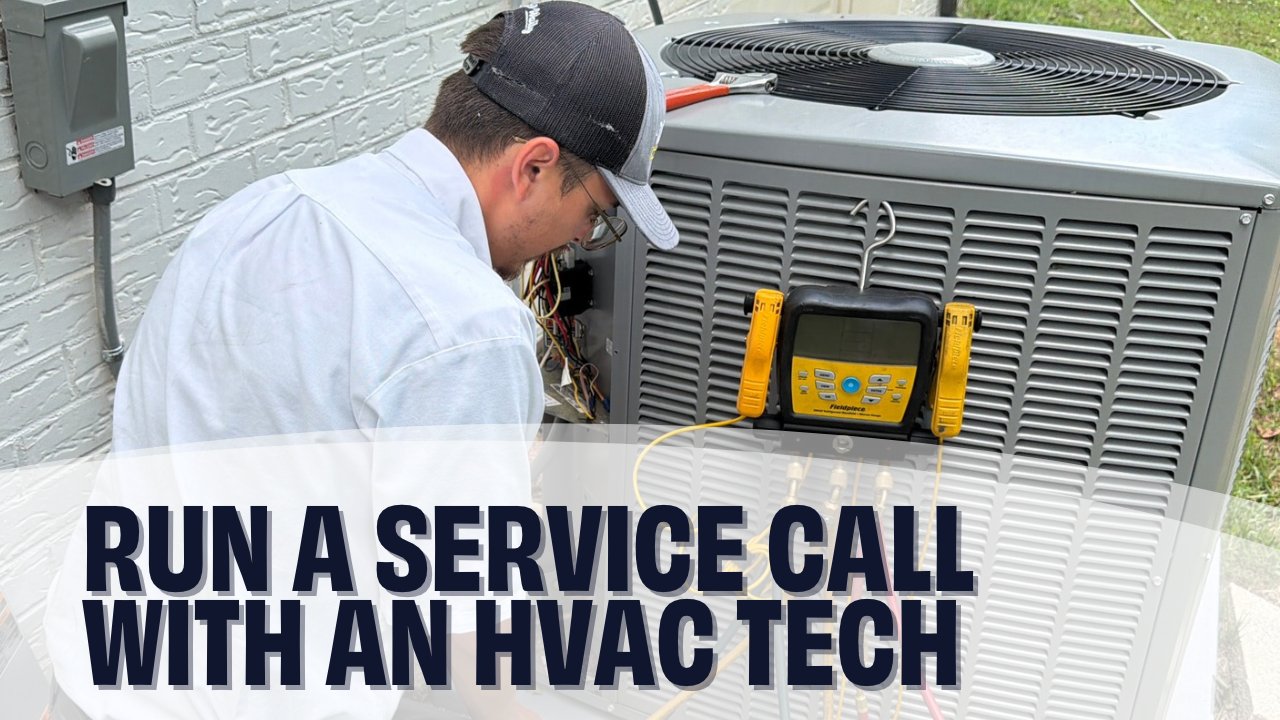
Complete Home Comfort Awaits
From plumbing and electrical to heating, cooling, and indoor air quality, Waldrop is here to keep your whole home running comfortably. Schedule your service today and experience trusted care from the team Upstate homeowners have counted on for generations.