Skip to content

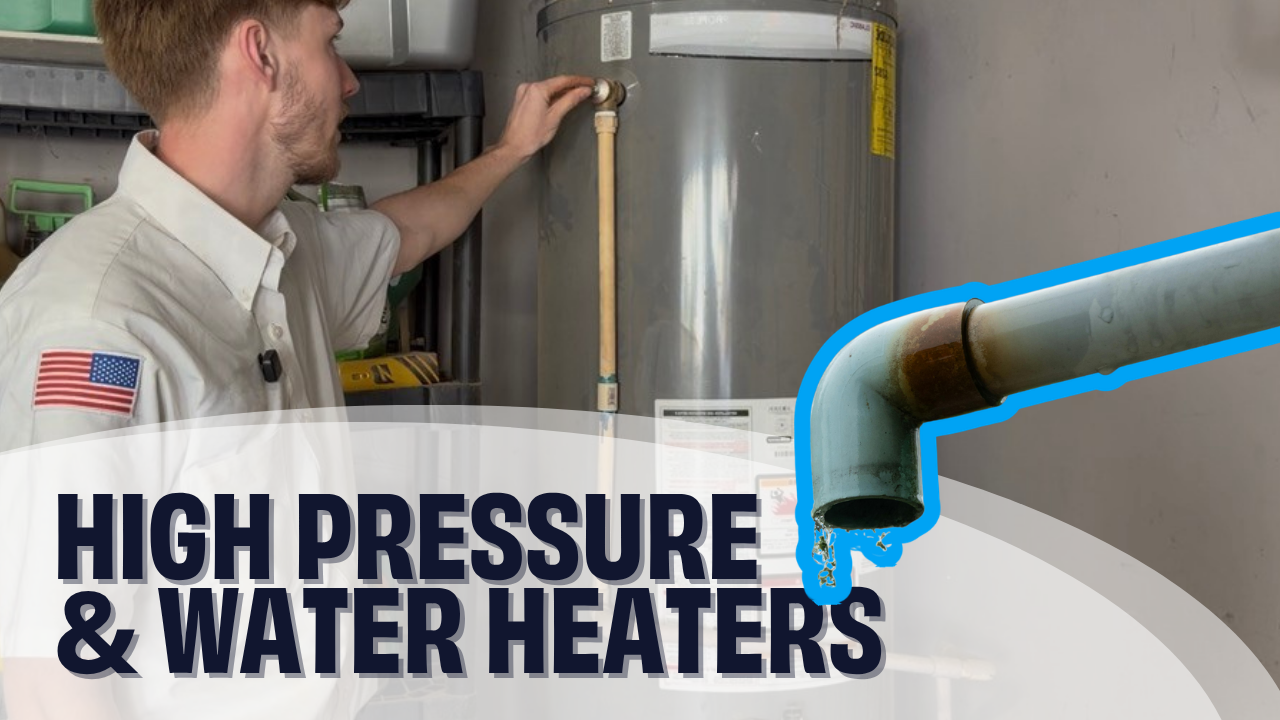
Have you ever noticed a small drip coming from a pipe near your water heater and thought, “Eh, it’s just a little water”?
Well, hold your horses, y’all—that tiny drip might actually be your plumbing system waving a big red flag.
At Y’all Call Wally, we believe small problems deserve attention before they turn into expensive headaches. Today, we’re talking about one of the most overlooked safety devices in your home: the Temperature and Pressure Relief Valve (often called the T&P Valve).
What Is a T&P Valve?
Your water heater works hard every day to provide hot water for showers, dishes, laundry, and everything in between. As it heats water, pressure builds inside the tank.
That’s where the Temperature and Pressure Relief Valve comes in.
Think of it as your water heater’s safety valve. If pressure or temperature inside the tank gets too high, the valve opens to safely release the excess pressure through a discharge pipe.
In other words, it’s designed to protect your home from potentially dangerous pressure buildup.
Why Is My T&P Valve Dripping?
A dripping T&P line isn’t usually the problem itself—it’s often a symptom of another issue within your plumbing system.
When excessive pressure develops in your plumbing system, the T&P valve activates to release that pressure. Instead of a faucet, fitting, or pipe failing somewhere else in the house, this safety device steps in and does its job.
That means a drip from the T&P line could indicate:
- Excessive water pressure
- Thermal expansion issues
- A failing pressure-reducing valve
- Problems with your water heater
- Other system-wide plumbing concerns
The good news? The valve is doing exactly what it was designed to do.
The bad news? It’s trying to tell you something needs attention.
Why You Shouldn’t Ignore It
Many homeowners assume a small drip is harmless. Unfortunately, that’s not always the case.
Excessive water pressure can put stress on:
- Faucets
- Toilet fill valves
- Washing machine hoses
- Water heater components
- Pipe connections throughout your home
Over time, that added stress can lead to leaks, water damage, and costly repairs.
A quick inspection today could save you from a major plumbing emergency tomorrow.
What Should You Do If You See a Drip?
If you notice water dripping from the T&P discharge line near your water heater:
- Don’t ignore it.
- Don’t cap or block the pipe.
- Schedule a professional plumbing inspection.
A trained plumber can determine whether the issue is related to high pressure, thermal expansion, or another problem affecting your plumbing system.
The Bottom Line
Your plumbing system has built-in safety devices for a reason. When one of them starts sending warning signs, it’s worth paying attention.
That little drip may seem insignificant, but it could be preventing a much bigger problem from happening inside your home.
If you’ve noticed water around your water heater or suspect something isn’t quite right, give the experts a call before a small issue becomes a major repair.
Because when plumbing problems pop up, remember…
Our team is here to help keep your home’s plumbing, HVAC, and electrical systems running safely and efficiently all year long.