Skip to content

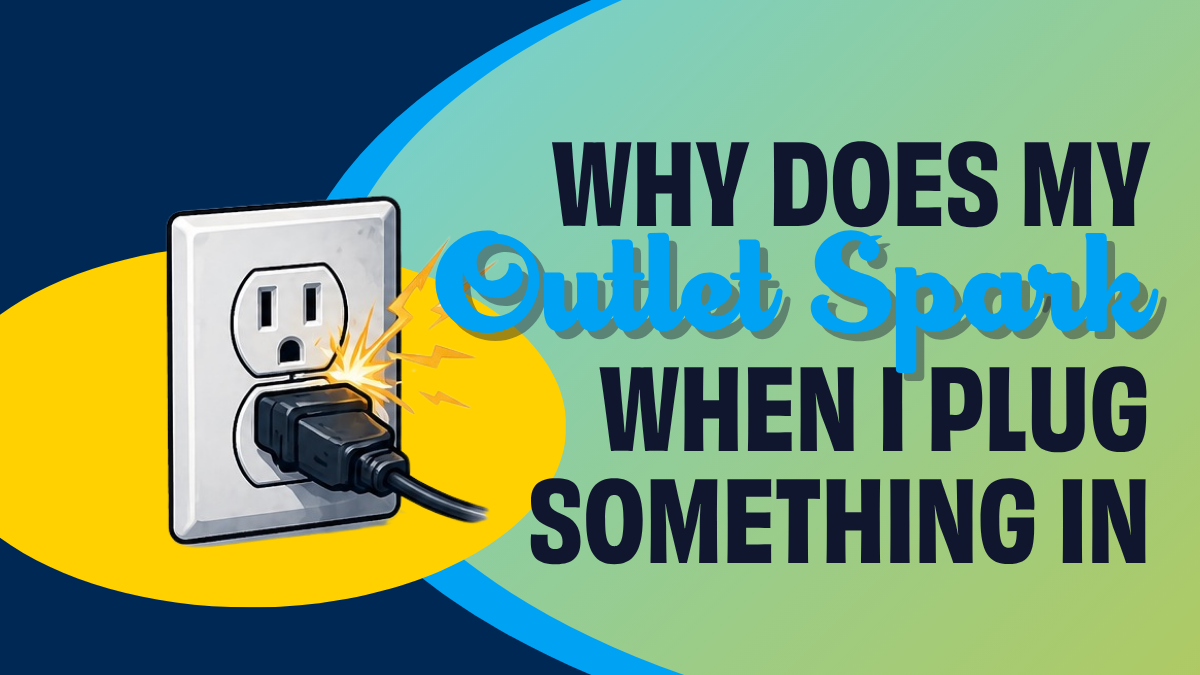
Picture this: you’re plugging in your phone charger, coffee maker, or favorite lamp, and suddenly—zap! You see a tiny spark flash inside the outlet.
Now you’re standing there wondering if your house is about to catch fire.
Good news: not every spark means trouble. But some sparks are definitely worth paying attention to.
Let’s talk about why your outlet might spark and when it’s time to call in the pros.
First Things First: A Small Spark Can Be Normal
When you plug something into an outlet, electricity immediately starts flowing from the outlet to the device. That quick transfer of electricity can sometimes create a tiny blue or yellow spark.
This is especially common with appliances that draw a lot of power, such as:
- Air fryers
- Space heaters
- Vacuums
- Hair dryers
- Window air conditioners
If the spark is small, happens only when plugging something in, and disappears instantly, it’s usually nothing to worry about.
When a Spark Becomes A Concern
Not all sparks are harmless. If you notice any of the following, it’s time to take action:
Large or Repeated Sparks
A spark that looks more like a flash or keeps happening every time you use the outlet could indicate a wiring issue.
Burning Smell
If you smell something burning along with the spark, unplug the device immediately and stop using the outlet.
Discoloration Around the Outlet
Brown, black, or melted marks around the receptacle often mean excessive heat has been building up.
Crackling or Buzzing Sounds
Electricity should be silent. If you hear popping, buzzing, or crackling noises, there could be a loose connection inside the outlet or wiring.
Warm Outlet Cover
An outlet should never feel hot. Warm or hot outlets can signal dangerous electrical problems that need immediate attention.
Common Reasons Outlets Spark
Loose Wiring
Over time, electrical connections can loosen due to age, vibration, or normal wear and tear. Loose wires create resistance, which generates heat and sparks.
Worn-Out Outlets
Outlets don’t last forever. After years of plugging and unplugging devices, the internal contacts can wear down and stop gripping plugs securely.
Overloaded Circuits
Plugging too many high-powered devices into one circuit can strain the electrical system and increase the likelihood of arcing and sparks.
Water Exposure
Outlets near kitchens, bathrooms, laundry rooms, or outdoor areas can become hazardous if moisture gets inside.
Faulty Appliances
Sometimes the outlet isn’t the problem at all. A damaged cord or malfunctioning appliance can create sparks when plugged in.
What Should You Do?
If you notice an unusual spark:
- Unplug the device safely.
- Stop using the outlet.
- Check for signs of burning, melting, or discoloration.
- Try the device in another outlet if it’s safe to do so.
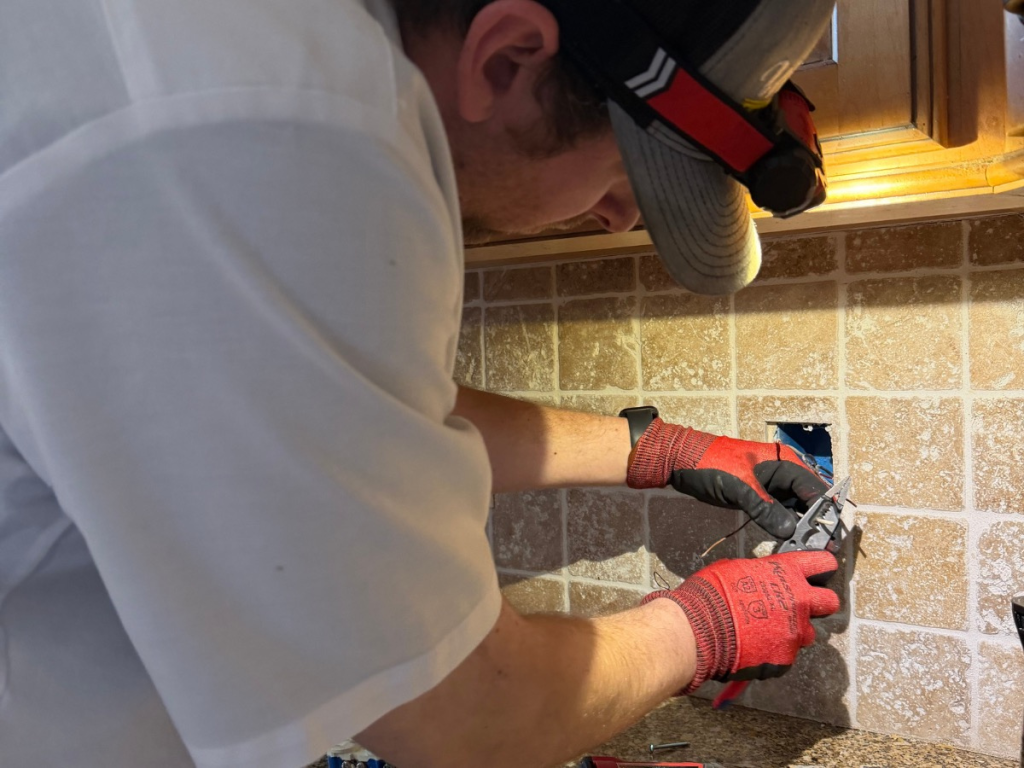
- Call an electrician if the sparking continues or if anything seems unusual.
Electrical problems rarely fix themselves. In fact, they usually get worse over time.
How to Prevent Outlet Problems
A few simple habits can help keep your home’s electrical system safe:
- Replace damaged cords immediately.
- Avoid overloading outlets and power strips.
- Install GFCI outlets where required.
- Have older homes inspected periodically.
- Replace outlets that feel loose or worn.
Don’t Ignore a Warning Sign
A small spark every once in a while may be perfectly fine, but large sparks, burning smells, hot outlets, or buzzing sounds are your home’s way of saying something isn’t right.
When electrical issues start, it’s always better to be safe than sorry.
If you’re seeing sparks, smelling something burning, or just aren’t sure what’s going on, Y’all Call Wally!
Our experienced electricians can inspect your outlets, diagnose the problem, and help keep your home safe and powered up.