Skip to content

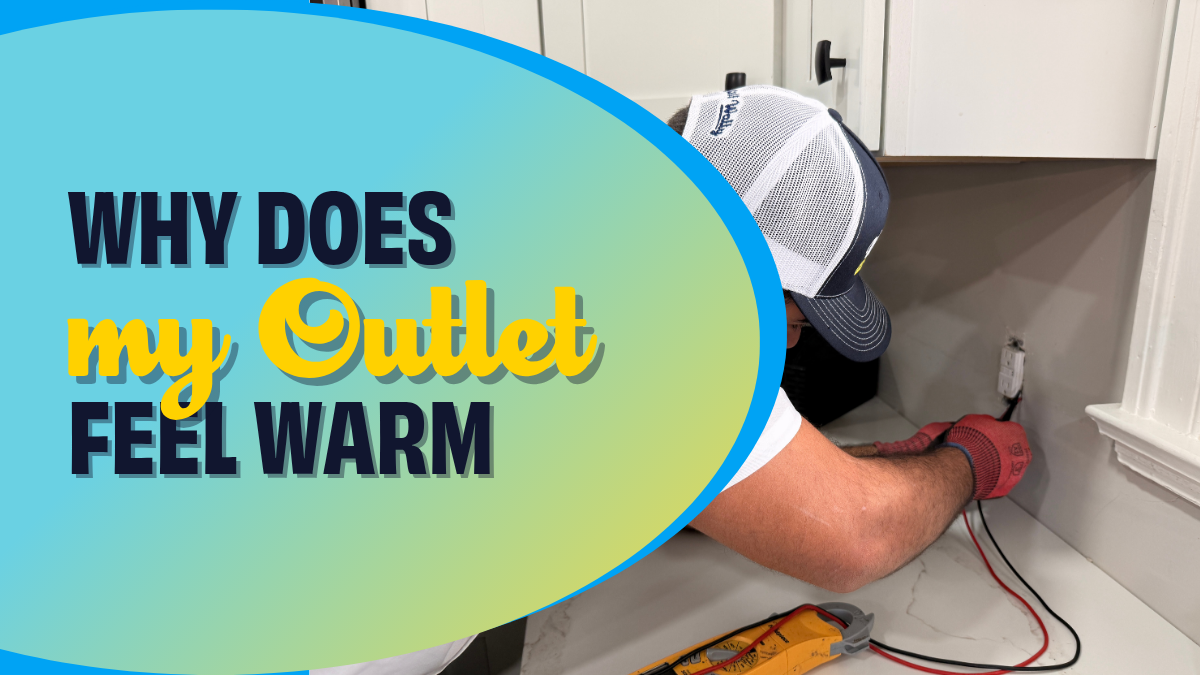
Most homeowners don’t think much about their electrical outlets until something seems off. If you’ve ever plugged in a device and noticed the outlet feels warm to the touch, you may have wondered: Is this normal?
The answer is… it depends.
While a slightly warm outlet isn’t always cause for alarm, excessive heat can signal a larger electrical issue that shouldn’t be ignored. Understanding the difference can help protect your home, your family, and your peace of mind.
Is It Normal for an Outlet to Feel Warm?
In some cases, yes.
When high-powered appliances like televisions, computers, space heaters, or kitchen appliances are running, it’s normal for a small amount of heat to be generated as electricity flows through the outlet.
However, an outlet should never feel hot. If the warmth is noticeable or uncomfortable to touch, it’s time to pay attention.
What Causes an Outlet to Overheat?
Several electrical issues can cause outlets to become warmer than they should:
Overloaded Circuits
Plugging too many devices into a single outlet or power strip can force the circuit to work harder than it was designed to handle. This increased electrical demand generates heat and can eventually damage wiring.
Loose Electrical Connections
Electrical wiring naturally expands and contracts over time. As connections loosen, electricity may begin to arc or encounter resistance, both of which create excess heat.
Damaged Wiring
Older wiring, worn insulation, or improperly installed electrical components can create dangerous conditions behind the walls where problems often go unnoticed until significant damage occurs.
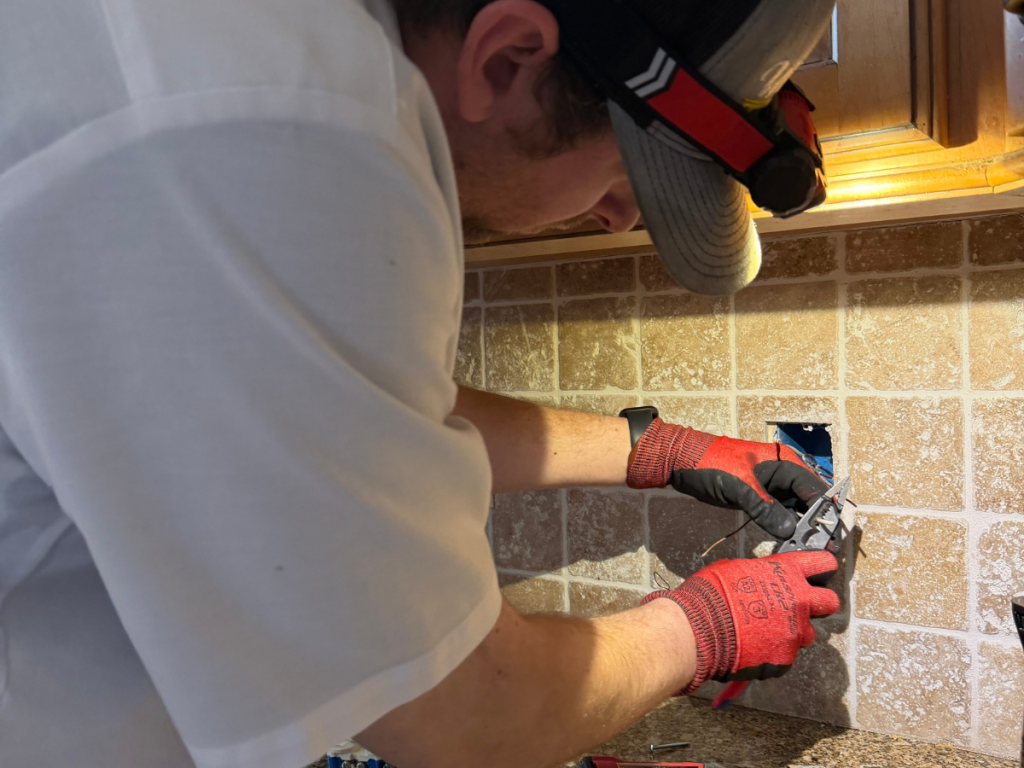
Faulty Outlets
Like any component in your home, outlets wear out. A damaged outlet may not securely hold plugs, causing poor connections and increased heat buildup.
Warning Signs You Should Never Ignore
A warm outlet is often accompanied by other signs that indicate a potentially serious electrical issue.
Contact a licensed electrician if you notice:
- Outlets that feel hot to the touch
- Burning odors near outlets or switches
- Discoloration, scorch marks, or melted plastic
- Sparking when plugging in or unplugging devices
- Buzzing or crackling sounds
- Frequently tripped breakers
- Flickering lights when appliances are running
- Loose outlets that no longer hold plugs securely
These warning signs can indicate overheating wires, electrical arcing, or circuit overloads—all of which increase the risk of electrical fires.
Why This Matters for Your Family’s Safety
According to the National Fire Protection Association (NFPA), electrical failures and malfunctions are among the leading causes of home fires.
The challenging part is that many electrical problems begin behind walls where homeowners can’t see them. What starts as a warm outlet today could become damaged wiring, melted insulation, or a fire hazard tomorrow.
That’s why it’s important not to dismiss warning signs, even if everything appears to be working normally.
When Should You Call an Electrician?
If an outlet is consistently warm, feels hot, shows visible damage, or is accompanied by any of the warning signs above, it’s best to have it inspected by a professional.
An electrician can identify the root cause, evaluate the safety of the circuit, and make any necessary repairs before the issue becomes a larger problem.
Stay Safe with Waldrop
Electrical systems work hard every day to keep your home comfortable and connected. When something doesn’t seem right, it’s always better to investigate sooner rather than later.
If you’ve noticed warm outlets, flickering lights, or other electrical concerns, the licensed electricians at Waldrop can help identify the issue and ensure your home’s electrical system is operating safely.
Your family’s safety is worth the call.