Skip to content

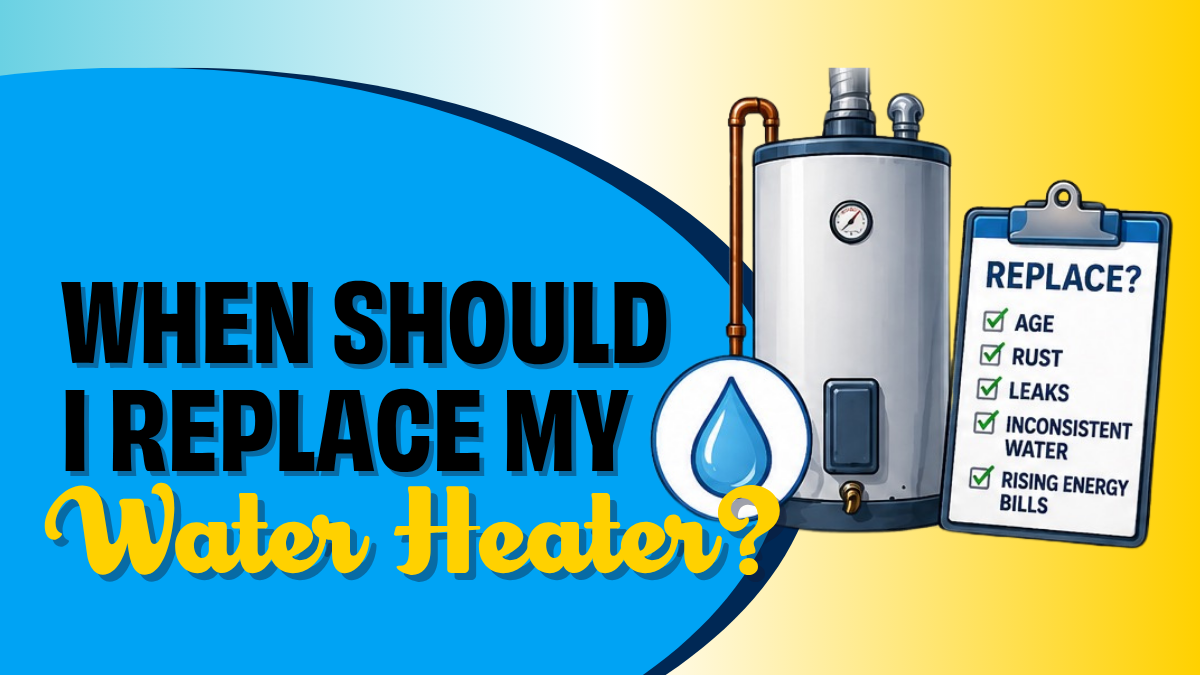
Your hot water heater is an important part of your home. Most homeowners overlook it, but overtime, that can become quite costly…
The truth is, water heaters rarely fail without warning. Most of the time, they show signs of trouble months or even years before they completely give out. It is important to know what to look for to help avoid an unexpected cold shower, water damage, or an emergency replacement.
We are going to discuss signs to keep an eye out for and when you might need a replacement.
How Long Does a Water Heater Last?
A traditional tank water heater lasts around 8 and 12 years. However, with proper maintenance, homeowners can potentially extend its lifespan. Tankless water heaters generally have a longer lifespan, often lasting 15 to 20 years+.
If your water heater is approaching 10 years, it’s a good idea to start paying closer attention to how it’s performing. Even if it’s still working, age alone can make it more prone to leaks, efficiency issues, and costly repairs.
Signs It May Be Time for a Replacement
Your Hot Water Doesn’t Last Like It Used To
One of the first things homeowners notice is that they’re running out of hot water faster than before.
Maybe the first person gets a hot shower, but everyone else is left with lukewarm water. Or perhaps your water never gets quite as hot as it used to.
While this can sometimes be caused by a faulty heating element or thermostat, it can also be a sign that the tank is filling with sediment and losing efficiency.
You Notice Rust-Colored Water
If rusty or brownish water only appears when you’re using hot water, your water heater could be the culprit.
Over time, the inside of the tank can begin to corrode. Once corrosion starts affecting the tank itself, replacement is usually the best option. Waiting too long can increase the risk of a leak.
The Tank Is Making Strange Noises
Water heaters aren’t completely silent, but they shouldn’t sound like a popcorn machine either.
Popping, banging, rumbling, or cracking noises are often caused by sediment buildup at the bottom of the tank. As sediment hardens, the unit has to work harder to heat the water, which puts extra strain on the system.
If flushing the tank doesn’t solve the problem, it may be time to think about replacing it.
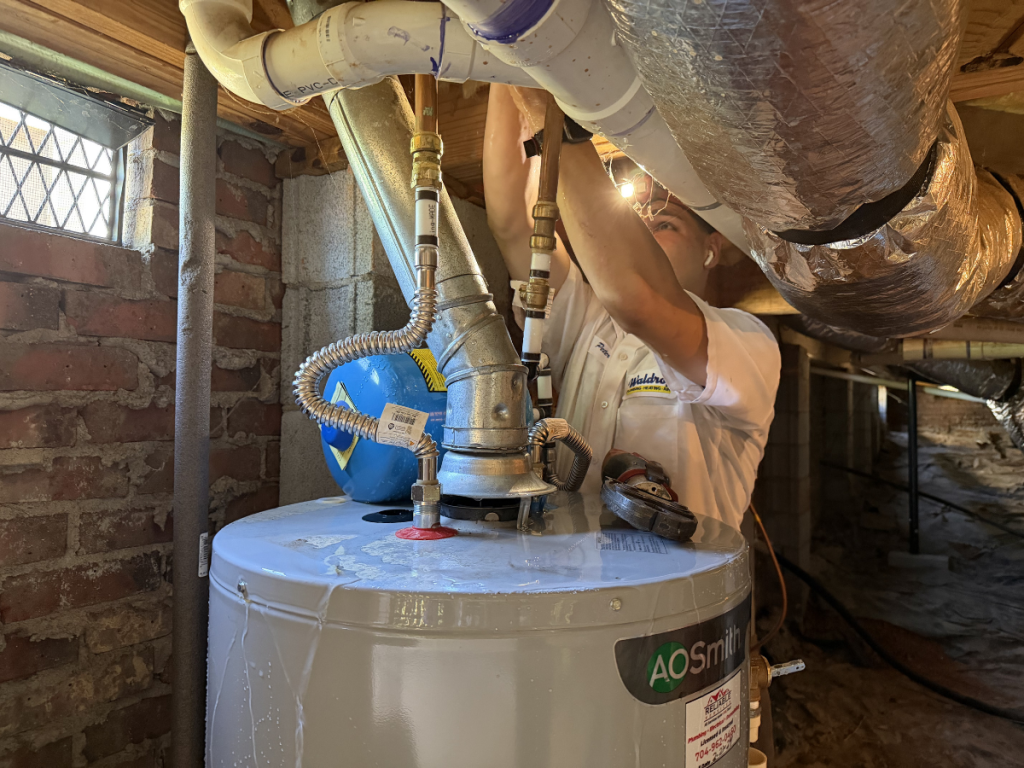
Water Is Collecting Around the Unit
This is one sign you never want to ignore.
Even a small amount of water around the base of the tank can indicate a developing leak. Sometimes the issue comes from a fitting or valve that can be repaired. Other times, the tank itself has started to crack.
A leaking tank generally can’t be repaired and will need to be replaced.
Your Energy Bills Keep Climbing
Older water heaters tend to become less efficient over time.
As components wear out and sediment builds up inside the tank, the unit uses more energy to produce the same amount of hot water. If you’ve noticed your utility bills creeping upward without any major changes in usage, your water heater could be part of the problem.
A newer, high-efficiency model may lower operating costs while providing more reliable performance.
You’re Calling for Repairs More Often
Every appliance needs occasional maintenance, but frequent repairs are usually a sign that a water heater is nearing the end of its life.
If you’re spending money on repair after repair, it may make more sense to put those dollars toward a new unit instead. In many cases, replacement is the more economical long-term solution.
Repair or Replace?
This is one of the most common questions homeowners ask.
If your water heater is only a few years old and the problem is relatively minor, a repair often makes sense. But if the unit is older and multiple issues are starting to appear, replacement is usually the better investment.
A good rule of thumb is to consider replacement when repair costs become significant compared to the cost of a new system.
The Benefits of Replacing an Older Water Heater
Nobody gets excited about replacing a water heater, but there are some real advantages to upgrading.
A new system can provide:
- More reliable hot water
- Better energy efficiency
- Lower utility bills
- Fewer repair calls
- Greater peace of mind
Replacing your water heater before it fails gives you the opportunity to choose the right system on your schedule and prevent breakdowns.
Final Thoughts
If your water heater is more than 10 years old, showing signs of wear, or requiring frequent repairs, it may be time to start planning for a replacement.
The last thing any homeowner wants is a leaking water heater or a complete loss of hot water when they need it most. Paying attention to the warning signs can help you stay ahead of problems and avoid an unexpected breakdown.
If you’re not sure whether your water heater can be repaired or should be replaced, a professional inspection can help you make the right decision for your home and budget.