Skip to content

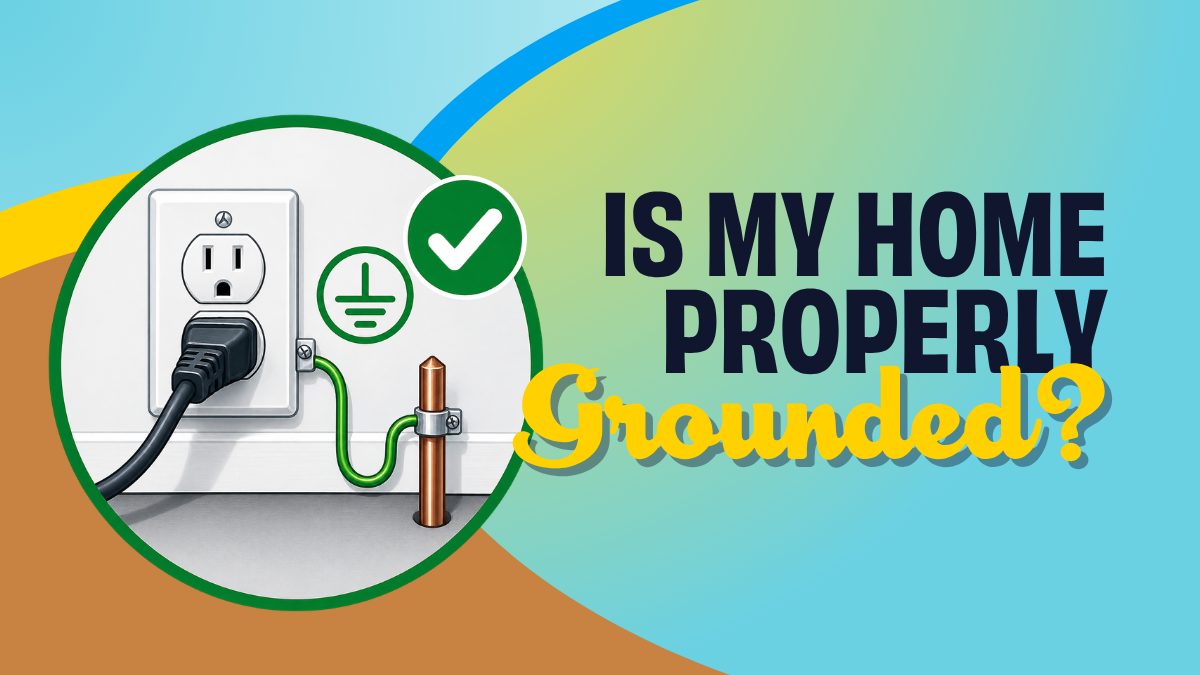
Electrical grounding is one of the most important safety features in any home, yet many homeowners don’t know whether their electrical system is properly grounded. A grounding system helps protect people, appliances, and your home’s electrical infrastructure from electrical faults, power surges, and potential fire hazards.
If you’ve ever wondered, “Is my home properly grounded?” this guide will explain what grounding is, why it matters, and the signs that may indicate a problem.
What Does It Mean for a Home to Be Grounded?
Electrical grounding provides a safe path for excess electricity to travel into the earth during a fault, lightning strike, or power surge. This helps prevent dangerous electrical shocks and reduces the risk of damage to your home’s electrical system.
In a properly grounded home, electrical current follows a designated path to the ground instead of flowing through people, appliances, or building materials.
Why Is Grounding Important?
A properly grounded electrical system provides several key benefits:
- Reduces the risk of electrical shock
- Protects appliances and electronics from power surges
- Helps circuit breakers and fuses operate correctly
- Lowers the risk of electrical fires
- Improves overall electrical system safety
Without proper grounding, electrical faults can create dangerous conditions throughout your home.
Signs Your Home May Not Be Properly Grounded
While only professional electricians can fully verify your grounding system, there are several warning signs homeowners should watch for.
Frequent Circuit Breaker Trips
Circuit breakers are designed to protect your electrical system. If breakers trip frequently without an obvious cause, it may indicate underlying wiring or grounding issues.
Mild Electrical Shocks
Have you ever felt a small shock when touching an appliance, light switch, or metal fixture? This can be a warning sign that electrical current is not being safely directed to ground.
Flickering Lights
Occasional flickering can happen for many reasons, but persistent flickering throughout the home may indicate electrical system problems, including grounding issues.
Burn Marks or Discolored Outlets
Outlets that show signs of overheating should never be ignored. Burn marks, discoloration, or a burning smell could indicate electrical faults that require immediate attention.
Two-Prong Outlets
Older homes often contain two-prong outlets that lack a dedicated grounding connection. While some homes may have been updated over time, two-prong outlets are often a sign that portions of the electrical system may not meet modern grounding standards.
Electronics Frequently Fail
Improper grounding can make sensitive electronics more vulnerable to voltage fluctuations and power surges, shortening their lifespan.
How to Check if Your Home Is Grounded
There are a few basic ways to investigate whether your home has grounding protection.
Look at Your Outlets
Most modern grounded outlets have three openings:
- One hot slot
- One neutral slot
- One round grounding hole
If your home primarily has two-prong outlets, further inspection may be necessary.
Use an Outlet Tester
An inexpensive outlet tester can quickly identify common wiring and grounding issues. These devices plug into outlets and display whether wiring appears correct.
Schedule an Electrical Inspection
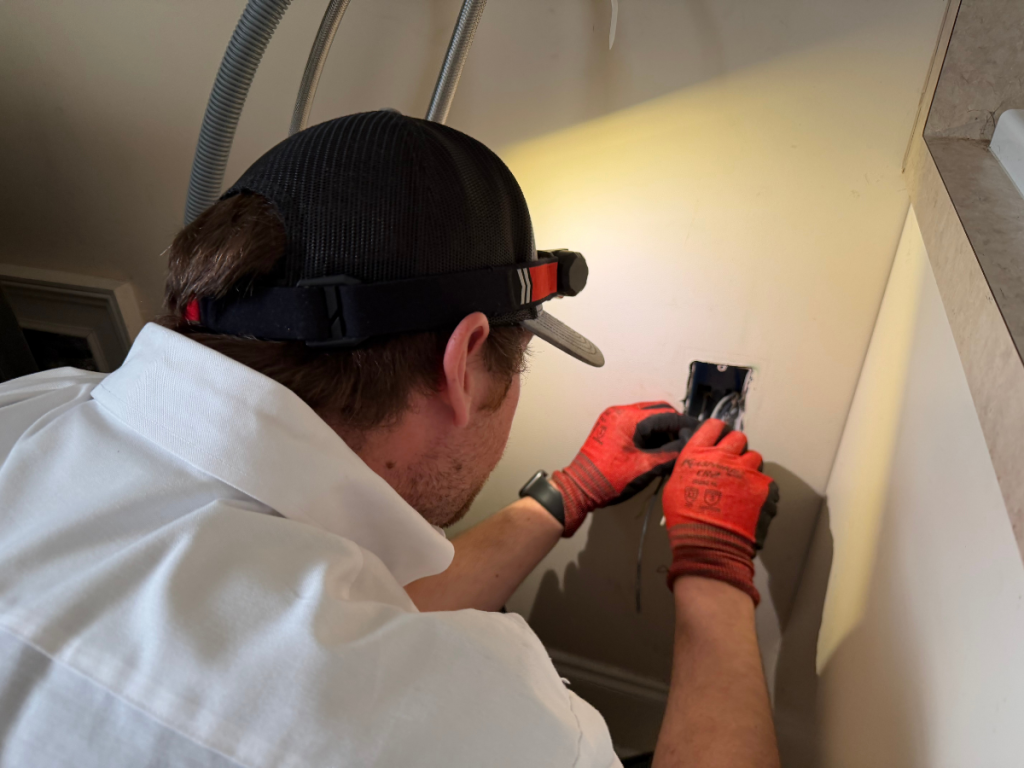
The most reliable method is a professional electrical inspection. Our electricians can evaluate:
- Ground rods
- Grounding conductors
- Electrical panels
- Bonding connections
- Outlet grounding integrity
This inspection can identify hidden issues that homeowners may not be able to detect.
Common Causes of Grounding Problems
Several factors can contribute to grounding issues:
Aging Electrical Systems
Homes built decades ago may have outdated wiring methods that do not meet current safety standards.
Improper DIY Electrical Work
Incorrect wiring modifications can interrupt grounding paths and create dangerous conditions.
Corrosion and Wear
Grounding components can deteriorate over time due to moisture, corrosion, and environmental exposure.
Renovations and Additions
Electrical systems that have been modified multiple times may develop inconsistencies in grounding and bonding connections.
When Should You Call an Electrician?
You should contact an electrician if you experience:
- Electrical shocks
- Repeated breaker trips
- Sparking outlets
- Burning odors
- Flickering lights throughout the home
- Concerns about older wiring systems
Electrical grounding problems should never be ignored, as they can pose serious safety risks.
Final Thoughts
If you’re asking, “Is my home properly grounded?” you’re already taking an important step toward protecting your family and property. Proper grounding is essential for electrical safety, surge protection, and reliable system performance.
While outlet testers can provide basic information, a professional inspection is the best way to confirm that your home’s grounding system is functioning correctly. Identifying and correcting grounding issues early can help prevent electrical hazards and provide peace of mind for years to come.