 Skip to content

Electrical Panel Services
Your Home's Power Center - Safe, Strong, & Up to Code
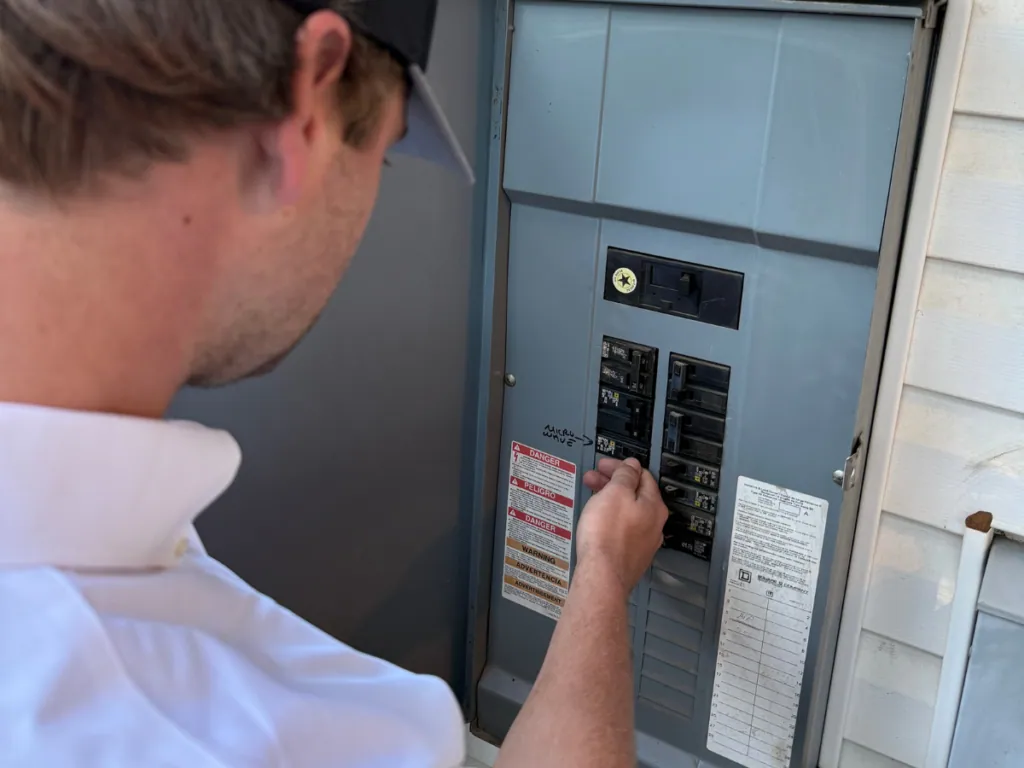
Your electrical panel is the heart of your home’s electrical system. When it’s outdated, overloaded, or damaged, your entire home is at risk for electrical failures, tripped breakers, and even fires.
At Waldrop, we specialize in repairing, upgrading, and replacing electrical panels to keep your home safe and powered day after day.
Why Electrical Panels Matter
If your panel struggles to keep up, you’ll feel it throughout your home—flickering lights, hot outlets, tripping breakers, or appliances losing power.
A failing or outdated panel can lead to:
- Overheating
- Electrical Fires
- Damaged Appliances
- Home-Wide Outages
- Safety Code Violations
A modern panel isn’t just safer, smarter, steadier, and ready for all your modern apllicances.
Signs You Need a New Electrical Panel
Frequent Breaker Trips
If breakers trip often, your panel may be overloaded.
Outdated or Unsafe Panels
Old panels, including certain recalled brands, pose fire and shock risks.
Common outdated or unsafe panels include:
- Fuse boxes
- Panels older than 25-30 years
- Units with rust, burn marks, or buzzing sounds
Upgrading Home Appliances
If you’re adding high-powered devices such as:
- HVAC systems
- Tankless water heaters
- EV Chargers
- Hot tubs
Your panel may need additional capacity.
Burning Smell or Warm Panel
Warmth or odors near the panel indicate a serious hazard – call Wally ASAP.
What's Included in a Panel Inspection
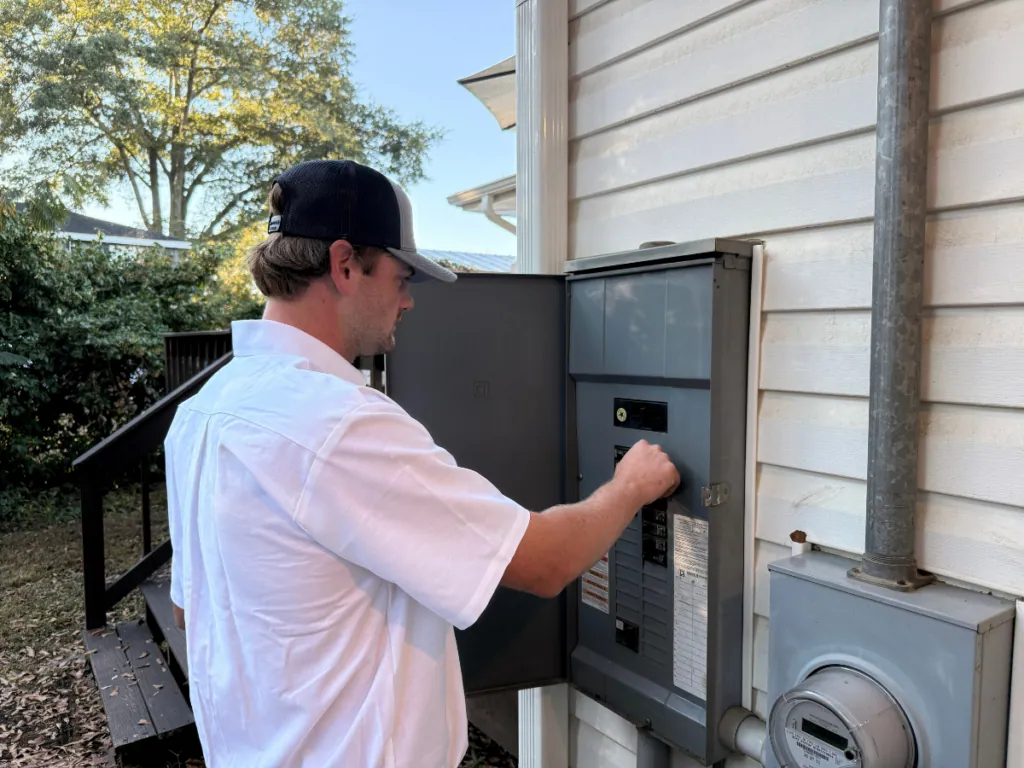
Our electricians will:
Evaluate Panel Capacity & Age
Check for Corrosion, Overheating, and Loose Breakers
Inspect Grounding & Bonding
Verify Proper Breaker Size
Indentify Fire Hazards or Code Violations
Determine If Your Home Needs a Panel Upgrade
We’ll explain everything clearly no scare tactics, no surprises.
Electrical Panel Services We Offer
- Panel Upgrades: Replace outdated or unsafe panels with modern, high-capacity units built to handle today’s electrical demands.
- Panel Replacements: Remove old fuse boxes or dangerous panels and replace them with reliable breaker systems.
- Subpanel Installations: Perfect for additions, garages, workshops, and heavy equipment.
- Breaker Repairs & Replacement: Fix buzzing, tripping, burnt, or loose breakers.
- Code Corrections: Ensure your home meets all current electrical safety standards.
Why Homeowners Trust Waldrop
- Experienced electricians
- Honest, pressure-free recommendations
- Fast, clean, professional installations
- Panels and breakers from trusted brands
- Clear pricing – no guesswork
- Friendly explanations you’ll understand
When your electrical panel needs help, we have you covered.
Electrical Panel FAQs
What is the purpose of my electrical panel?
Your electrical panel is the central distribution point for all the power in your home. It takes the electricity coming in from the utility and splits it across dedicated circuits — your kitchen appliances, HVAC system, lighting, outlets, and everything else. Each circuit is protected by a breaker that trips when it detects an overload or short circuit, preventing wire damage and fire. In our experience servicing homes across the Upstate, we frequently find panels that are 30-40 years old and weren’t designed for today’s electrical demands — things like EV chargers, smart home systems, and high-efficiency HVAC units. If your panel still uses fuses or has a Federal Pacific or Zinsco brand label, we recommend an evaluation. An outdated panel isn’t just inconvenient — it’s a genuine safety risk.
What upgrades should I consider when replacing an electrical panel?
When replacing your home’s electrical panel, it’s the perfect time to think about upgrades that improve safety, efficiency, and convenience. Some important upgrades to consider include:
- Increased Panel Capacity: Many older homes have 100-amp panelts, but modern homes often need 200-amps or more to handle today’s appliances, HVAC systems, and electronics.
- Whole-Home Surge Protection: Protects your appliances and sensitive electronics from power surges and lightning strikes.
- Dedicated Circuits: Adding circuits for high-demand appliances (like HVAC systems, EV chargers, hot tubs, or kitchens) can prevent overloads and tripped breakers.
- Arc Fault Circuit Interrupters (AFCIs): Help prevent electrical fires by detecting dangerous wiring issues.
- Ground Fault Circuit Interrupters (GFCIs): Increase safety in areas exposed to moisture, such as kitchens, bathrooms, garages, and outdoors.
- Smart Panel Technology: Allows you to monitor and manage your home’s energy usage from your phone.
- Future-Ready Upgrades: Consider wiring for future needs, like EV charging stations, solar panels, or a backup generator connection. Upgrading your panel is more than just replacing old breakers, it’s a chance to set your home up safely for today’s needs and tomorrow’s technology.
How much does it cost to update my electrical panel?
The cost to update or replace an electrical panel typically ranges from $1,500 to $4,000, depending on several factors. Here’s what affects the price:
- Panel Size (amperage upgrade): Upgrading from a 100-amp to a 200-amp panel increases capacity but also adds to the cost.
- Home Size and Electrical Load: Larger homes or those with high-demand appliances may need more circuits and wiring adjustments.
- Complexity of Installation: The location of the existing panel, accessibility, and whether rewiring is needed all impact labor costs.
- Permits and Code Requirements: Local building codes and required inspections can add to the total price.
- Additional Upgrades: Adding surge protection, grounding, or preparing for future needs (like EV chargers or generators) may increase costs.
Most homeowners spend around $2,000 to $3,000 for a standard panel replacement, but your exact cost will depend on your home’s electrical setup and upgrade goals.
When should I upgrade my panel?
You should upgrade your electrical panel if it’s over 25 years old, trips breakers often, or can’t keep up with new appliances or tech. Flickering lights or warm outlets are warning signs, too. A new panel keeps your home safe and ready for modern power needs.
Can you replace or upgrade my panel?
Yes! Waldrop’s licensed electricians can safely replace or upgrade your electrical panel. Whether you need more power for new appliances or your old panel just can’t keep up, we’ll install a modern system that meets code, improves safety, and keeps your home running smoothly.
Why does my panel keep tripping breakers?
Your breakers trip to protect your home from overloads or short circuits. If it happens often, you may have too many devices on one circuit, a faulty appliance, or wiring that’s past its prime. Frequent tripping can also mean your panel isn’t sized for your home’s power needs — it might be time for an inspection or upgrade.
Is a panel upgrade covered by Club Wally discounts?
While an electrical panel is not included in Club Wally memberships, you do receive discounts and waived dispatch fees.
What’s the difference between a fuse box and a breaker panel?
A fuse box uses fuses that “blow” and must be replaced when circuits overload, while a breaker panel uses switches that trip and can be reset. Breaker panels are safer, easier to maintain, and meet modern electrical codes — most older fuse boxes should be upgraded for better protection and reliability.
Customers Reviews
"Exceptional customer service. Everything was done exactly as promised."
James G.
"He was absolutely great! Very informative friendly and knowledgeable and extremely thorough."
David J.
"Very thorough and explained in detail. Straightforward on the quote and very knowledgeable."
Tom H.
Ready to Upgrade or Inspect Your Panel?
Don’t wait until breakers start popping or wires start overheating – let Wally keep your home safe and steady.

Sammy
Greenville, SC

Waldrop has taken care of our HVAC since our house was built (2006). We get maintenance twice a year – spring and fall. This year, Kevin suggested the Phenomenal Aire unit. It cleans the air
Cheryl
Marietta, SC
Had the best experience with Waldrop, we will forever be in their debt. Not only the most professional group of men but the most honest, stand by your word company! I would recommend Waldrop to
KarmannGT
SIMPSONVILLE, SC
A friend recommended Waldrop after he had a visit last week. Our A/C was not cooling as well as it should, and the Split “Smart” thermostat was doing crazy things on the first and 2nd
Electrical Services FAQs
What are the common electrical problems and solutions?
Home electrical systems can develop issues over time, and some problems are more common than others. Here are a few frequent ones and their typical solutions:
- Tripped Circuit Breakers: This usually happens when a circuit is overloaded. The solution is to unplug some devices from the circuit and reset the breaker. If it keeps tripping, you may need an electrician to inspect for wiring issues or add additional circuits.
- Flickering or Dimming Lights: Often caused by loose wiring, faulty fixtures, or an overloaded circuit. Our electricians can tighten connections, replace faulty switches, or balance the electrical load.
- Dead Outlets: These may result from a tripped GFCI outlet, a bad connection, or a failed outlet. Resetting the GFCI may solve it, but if not, the outlet may need to be replaced by an electrician.
- Warm or Sparking Outlets: This is a sign of serious wiring problems or overloaded circuits and should be addressed immediately by a professional to prevent fire hazards.
- High Electric Bills: Can be caused by inefficient appliances, phantom energy draw, or poor wiring. Solutions may include upgrading to energy-efficient appliances, using smart plugs, or having an electrician inspect for wiring issues.
- Frequent Bulb Burnouts: Often due to high wattage bulbs, poor connections, or voltage fluctuations. Replacing bulbs with the correct wattage and having wiring checked can solve the issue.
While some problems (like resetting a breaker) are safe to handle, many electrical issues require experienced electricians to ensure your home stays safe.
What is the normal electrical service to a house?
Most modern homes in the United States are equipped with 200-amp electrical service, which provides enough capacity to safely power today’s appliances, HVAC systems, and electronics. However, not all homes are the same:
- Older homes may have 60-amp or 100-amp service, which was standard in the past but may not meet the demands of modern living.
- Average-sized homes built in recent decades often have 150-amp or 200-amp service, depending on their size and energy needs.
- Larger homes or homes with high-energy demands (such as electric vehicle chargers, pools, or multiple HVAC systems) may require 400-amp service or higher.
If you’re unsure what electrical service your home has, planning renovations, or adding new appliances, it’s a good idea to have our electricians evaluate your system to ensure it meets your household’s needs safely and efficiently.
What determines the amp service you get?
The amp service in your home is determined by a combination of factors related to your electrical needs and the capacity of your home’s system. Key factors include:
- Home Size and Age: Older homes may have 60-100 amp service, while modern homes often require 200-amps or more to support today’s electrical demands.
- Appliances and Systems: The more electronics, lighting, and smart devices in use, the more amperage is needed to prevent overloads.
- Lifestyle and Usage: The more electronics, lighting, and smart devices in use, the more amperage is needed to prevent overloads.
- Future Needs: Planning for upgrades like solar panels, hot tubs, or additional square footage may require a higher service size.
- Local Codes and Utility Company Standards: Building codes and utility company requirements will also play a role in which amp service is installed or approved.
Your amp service is determined by how much electricity your household currently uses and what it may need in the future, balanced with safety requirements.
What should I do during an electrical emergency?
If you experience an electrical emergency, your safety is the top priority. Follow these steps:
- Turn off the power at the main breaker if it is safe to do so. This can help prevent further damage or injury.
- Stay away from the affected area, especially if there are exposed wires, sparks, or burning smells.
- Do not touch electrical equipment, cords, or outlets if you are standing in water or if the area is wet.
- Call 911 if there is smoke, fire, or anyone is injured.
- Contact Waldrop once it’s safe.
Our experienced electricians can inspect the issue and make necessary repairs to restore safety and power. Always prioritize safety and avoid trying to fix electrical problems on your own.

Contact Us
"*" indicates required fields
CLUB WALLY MEMBERSHIP
Ya'll Join The Club!
When hot weather hits hard, it’s our duty as an essential service provider to respond to no-cool and no-heat calls as a priority. You’ll receive priority scheduling, exclusive promotional offers, waived dispatch fees, and so much more!
