 Skip to content


Electrical Inspection
Electrical Inspections You Can Trust
When it comes to your home, electricity isn’t something to guess on. Whether you’ve noticed flickering lights, tripping breakers, or you’re simply due for a check-up, Waldrop provides professional electrical inspections to help keep your property safe, efficient, and up to code.
Our team takes the time to inspect your electrical system thoroughly, so you can feel confident knowing what’s working properly, what needs attention, and what could become a bigger issue down the road.
Why Get an Electrical Inspection?
Electrical problems can start small and go unnoticed until they become expensive or dangerous. A routine inspection helps catch issues early, prevent unexpected failures, and provide peace of mind.
An electrical inspection is a smart choice if you are:
- Buying or selling a home
- Living in an older home
- Adding new appliances or upgrading equipment
- Planning a renovation or remodel
- Noticing burning smells near outlets or your elctrical panel
- Wanting reassurance that your system is safe and reliable
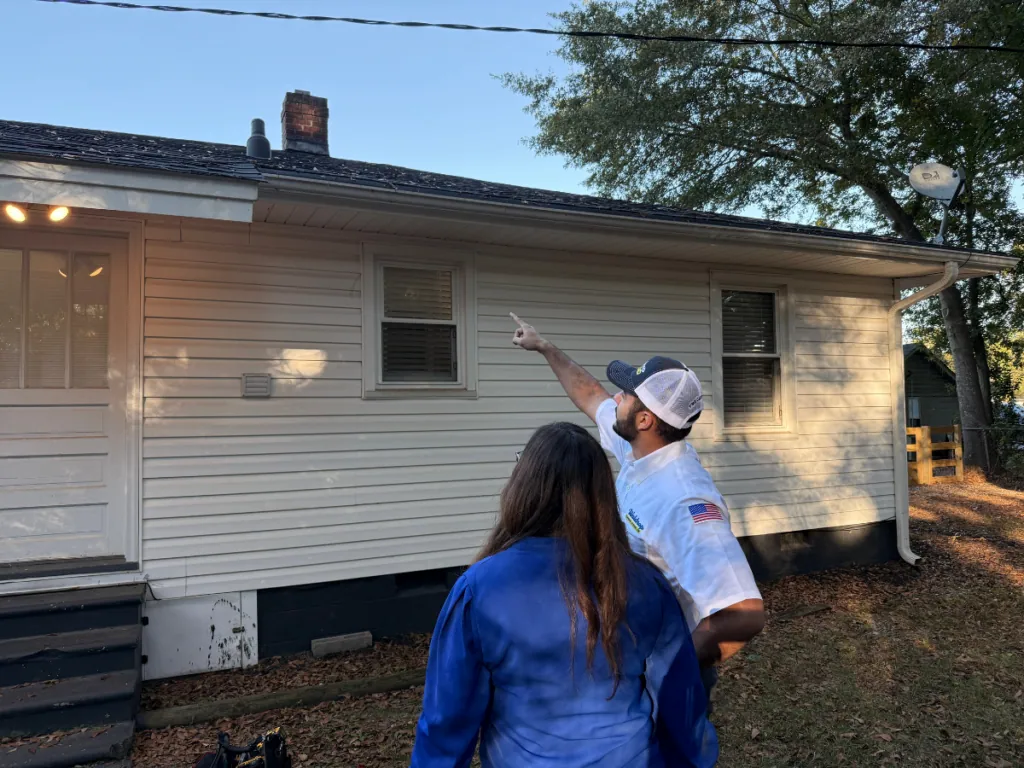
What’s Included in a Waldrop Electrical Inspection
Our inspections are designed to identify potential safety concerns and make sure your system is operating properly.
Depending on your home, we may inspect:
- Electrical panel condition and breaker performance
- Wiring connections and signs of overheating
- Outlets, switches, and GFCI protection
- Grounding and bonding
- Visible wiring condition and overall electrical safety
- Surge protection recommendations
After your inspection, we’ll review what we found and explain any recommendations clearly – without pressure or confusion.
Club Wally Members Save
Want even more value from your inspection? Club Wally members receive discounted inspection rates, making it easier and more affordable to stay safe and up to date year-round.
Frequently Asked Questions
How long does an electrical inspection take?
For a standard residential inspection, plan on 1-2 hours. We check your main panel for proper labeling, breaker condition, and signs of overheating. We test a representative sample of outlets for correct polarity and grounding, verify GFCI and AFCI protection where required by code, inspect visible wiring for damage or code violations, and evaluate your grounding and bonding system. Larger homes, older homes with knob-and-tube or aluminum wiring, or homes with additions and remodels take longer because there’s more to evaluate. After the inspection, we provide a written report with findings and recommendations ranked by urgency — so you know exactly what needs attention now versus what can wait.
What does an electrical inspection include?
An electrical inspection is a thorough check of your home’s electrical system to ensure it is safe, up to code, and capable of handling your household’s needs. During an inspection, a licensed Waldrop electrician will typically:
- Check the electrical panel: Inspect for proper labeling, secure connections, signs of overheating, and adequate amp service.
- Examine wiring and connections: Look for outdated, damaged, or unsafe wiring throughout the home.
- Test outlets and switches: Ensure they are working properly, grounded, and free of burn marks or loose connections.
- Evaluate safety devices: Test smoke detectors, GFCI outlets (in kitchens, bathrooms, and outdoors), and AFCI breakers where required.
- Inspect major appliances and circuit: Confirm large appliances (HVAC, water heater, stove, etc.) have dedicated circuits and are wiring correctly.
- Check grounding and bonding: Verify that the system is properly grounded to prevent electrical hazards.
- Review outdoor electrical components: Inspect exterior outlets, lighting, and wiring for weatherproofing and safety.
An electrical inspection ensures your system is safe, efficient, and compliant with electrical codes, helping prevent shocks, fires, or costly repairs down the line.
When should I schedule an electrical inspection?
Schedule an inspection every 3-5 years or sooner if you notice flickering lights, frequent breaker tips, or burning smells. You should also have an inspection done when buying or selling a home, adding new appliances, or if your home is over 25 years old. Regular inspections keep your electrical safe and up to code.
Can electrical inspections help prevent fires?
Yes. Regular electrical inspections can identify worn wiring, overloaded circuits, and other hazards that often lead to electrical fires. By catching issues early. Inspections keep your system safe and efficient–giving you peace of mind and reducing fire risk in your home.
Do you provide written reports?
Yes. After every inspection or service, Waldrop provides a detailed written report outlining findings, recommended repairs, and overall condition of your electrical system. This documentation helps you understand your home’s safety and can be used for insurance or home sale records.
Is an inspection included with a Club Wally Membership?
Club Wally members receieve a discounted inspection rate and a waived dispatch fee ($135 value). A visual check of the electrical panel, wiring, and outlets, and a professional will test outlets, switches, and safety devices like GFCI and AFCI outlets.
Ready to Schedule?
If it’s been a while since your home had an electrical inspection, now is a great time to take care of it. A quick inspection today can help prevent bigger issues tomorrow.

Sammy
Greenville, SC

Waldrop has taken care of our HVAC since our house was built (2006). We get maintenance twice a year – spring and fall. This year, Kevin suggested the Phenomenal Aire unit. It cleans the air
Cheryl
Marietta, SC
Had the best experience with Waldrop, we will forever be in their debt. Not only the most professional group of men but the most honest, stand by your word company! I would recommend Waldrop to
KarmannGT
SIMPSONVILLE, SC
A friend recommended Waldrop after he had a visit last week. Our A/C was not cooling as well as it should, and the Split “Smart” thermostat was doing crazy things on the first and 2nd
Electrical Services FAQs
What are the common electrical problems and solutions?
Home electrical systems can develop issues over time, and some problems are more common than others. Here are a few frequent ones and their typical solutions:
- Tripped Circuit Breakers: This usually happens when a circuit is overloaded. The solution is to unplug some devices from the circuit and reset the breaker. If it keeps tripping, you may need an electrician to inspect for wiring issues or add additional circuits.
- Flickering or Dimming Lights: Often caused by loose wiring, faulty fixtures, or an overloaded circuit. Our electricians can tighten connections, replace faulty switches, or balance the electrical load.
- Dead Outlets: These may result from a tripped GFCI outlet, a bad connection, or a failed outlet. Resetting the GFCI may solve it, but if not, the outlet may need to be replaced by an electrician.
- Warm or Sparking Outlets: This is a sign of serious wiring problems or overloaded circuits and should be addressed immediately by a professional to prevent fire hazards.
- High Electric Bills: Can be caused by inefficient appliances, phantom energy draw, or poor wiring. Solutions may include upgrading to energy-efficient appliances, using smart plugs, or having an electrician inspect for wiring issues.
- Frequent Bulb Burnouts: Often due to high wattage bulbs, poor connections, or voltage fluctuations. Replacing bulbs with the correct wattage and having wiring checked can solve the issue.
While some problems (like resetting a breaker) are safe to handle, many electrical issues require experienced electricians to ensure your home stays safe.
What is the normal electrical service to a house?
Most modern homes in the United States are equipped with 200-amp electrical service, which provides enough capacity to safely power today’s appliances, HVAC systems, and electronics. However, not all homes are the same:
- Older homes may have 60-amp or 100-amp service, which was standard in the past but may not meet the demands of modern living.
- Average-sized homes built in recent decades often have 150-amp or 200-amp service, depending on their size and energy needs.
- Larger homes or homes with high-energy demands (such as electric vehicle chargers, pools, or multiple HVAC systems) may require 400-amp service or higher.
If you’re unsure what electrical service your home has, planning renovations, or adding new appliances, it’s a good idea to have our electricians evaluate your system to ensure it meets your household’s needs safely and efficiently.
What determines the amp service you get?
The amp service in your home is determined by a combination of factors related to your electrical needs and the capacity of your home’s system. Key factors include:
- Home Size and Age: Older homes may have 60-100 amp service, while modern homes often require 200-amps or more to support today’s electrical demands.
- Appliances and Systems: The more electronics, lighting, and smart devices in use, the more amperage is needed to prevent overloads.
- Lifestyle and Usage: The more electronics, lighting, and smart devices in use, the more amperage is needed to prevent overloads.
- Future Needs: Planning for upgrades like solar panels, hot tubs, or additional square footage may require a higher service size.
- Local Codes and Utility Company Standards: Building codes and utility company requirements will also play a role in which amp service is installed or approved.
Your amp service is determined by how much electricity your household currently uses and what it may need in the future, balanced with safety requirements.
What should I do during an electrical emergency?
If you experience an electrical emergency, your safety is the top priority. Follow these steps:
- Turn off the power at the main breaker if it is safe to do so. This can help prevent further damage or injury.
- Stay away from the affected area, especially if there are exposed wires, sparks, or burning smells.
- Do not touch electrical equipment, cords, or outlets if you are standing in water or if the area is wet.
- Call 911 if there is smoke, fire, or anyone is injured.
- Contact Waldrop once it’s safe.
Our experienced electricians can inspect the issue and make necessary repairs to restore safety and power. Always prioritize safety and avoid trying to fix electrical problems on your own.

Contact Us
"*" indicates required fields

CLUB WALLY MEMBERSHIP
Ya'll Join The Club!
When hot weather hits hard, it’s our duty as an essential service provider to respond to no-cool and no-heat calls as a priority. You’ll receive priority scheduling, exclusive promotional offers, waived dispatch fees, and so much more!
