Proudly serving Upstate South Carolina and surrounding areas






New Construction Along the I-85 Corridor: Why So Many New Greenville/Spartanburg Homes Have HVAC Issues in Year One
Serving Upstate South Carolina with trusted home comfort solutions since 1970.

4.8 Google Rating

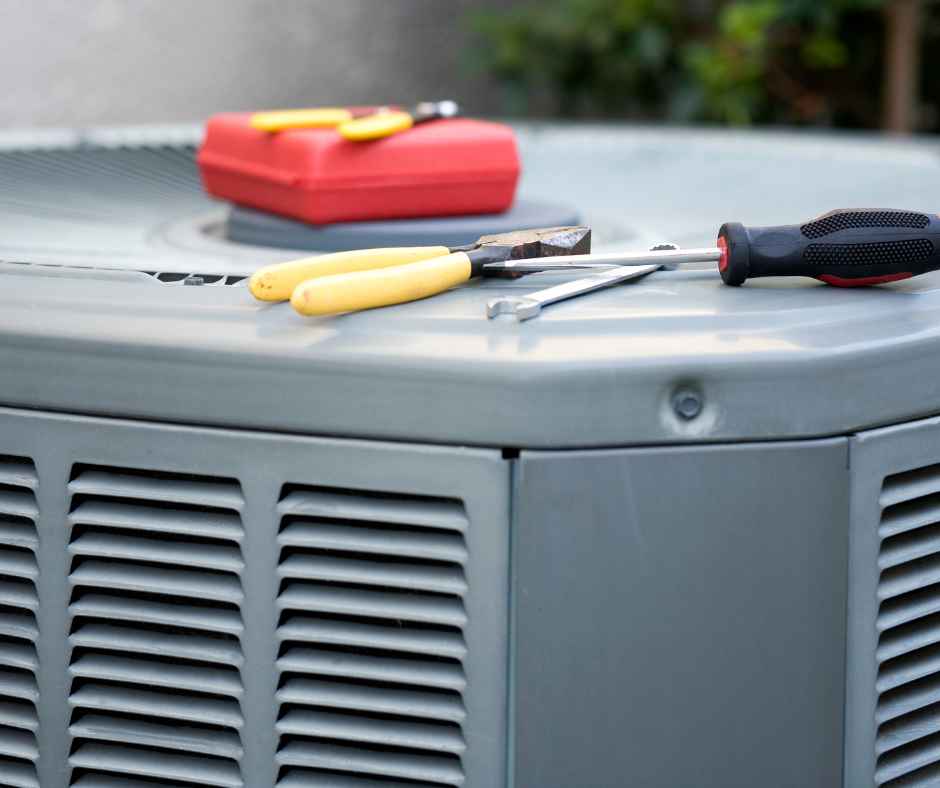
A newly built home should feel comfortable from the day you move in, but some Greenville and Spartanburg homeowners discover uneven temperatures, weak airflow, excess humidity, or repeated HVAC adjustments during the first year. These problems do not automatically mean the entire system is defective. They often point to issues with sizing, duct design, installation, controls, insulation, or final testing.
In this guide, you will learn why HVAC issues can appear during the first year in a new Upstate South Carolina home, which warning signs deserve attention, and what to document before the builder warranty expires.
Why Do New Homes Have HVAC Problems in the First Year?
First-year HVAC problems often develop when the equipment and ductwork do not perform as intended under real living conditions. A system may turn on during the final walkthrough but still have airflow, humidity, drainage, or comfort problems that were not identified before closing.
Common causes include:
- Improper equipment sizing
- Uneven or insufficient airflow
- Leaking, crushed, or disconnected ducts
- Incorrect thermostat or blower settings
- Refrigerant-charge problems
- Construction dust and debris
- Blocked condensate drainage
- Missing insulation or air-sealing defects
- Incomplete startup and commissioning
- Problems that appear only during peak weather
A certificate of occupancy confirms that the home passed required inspections. It does not necessarily guarantee perfect room-to-room comfort or ideal HVAC performance under every seasonal condition.
Was the HVAC System Properly Sized for the House?
Heating and cooling equipment should be selected according to the home’s actual load. This calculation considers more than square footage.
A proper load calculation may account for:
- Window size and orientation
- Insulation levels
- Ceiling height
- Air leakage
- Number of occupants
- Home layout
- Sun exposure
- Local climate
- Heat generated by appliances
An oversized air conditioner may cool the home quickly and shut off before removing enough indoor moisture. This can leave the house feeling cool but humid. Frequent starting and stopping can also create uneven temperatures and unnecessary equipment wear.
An undersized system may run for long periods and still struggle to reach the thermostat setting during hot Upstate summers or cold winter weather.
Homeowners should ask the builder whether a Manual J load calculation was completed and whether the installed equipment matches that calculation. Equipment should not be selected using only a general estimate based on home size.
Was the Ductwork Designed for Every Room?
The HVAC equipment can operate correctly while individual rooms remain uncomfortable because of poor duct design or airflow.
Each room has a different heating and cooling load. A second-floor bedroom with afternoon sun may need more cooling than an interior first-floor room. A bonus room above a garage may lose and gain heat differently from the rest of the home.
Areas that commonly reveal airflow problems include:
- Upstairs bedrooms
- Bonus rooms
- Rooms above garages
- Spaces with large windows
- Rooms at the end of long duct runs
- Areas with closed doors
- Rooms added or modified during construction
The duct system should deliver enough conditioned air to each room and provide an effective path for air to return to the HVAC equipment.
A room may receive supply air but still feel uncomfortable if there is no adequate return path. Closing the door can restrict circulation, increase pressure differences, and reduce comfort.
Ask whether the system was balanced after installation. Air balancing involves measuring and adjusting airflow so rooms receive an appropriate amount of conditioned air.
Could Leaky or Damaged Ducts Be Wasting Conditioned Air?
Ductwork can be damaged or disconnected during construction. Other trades may move, crush, puncture, or place materials on flexible ducts while working in attics, crawl spaces, or mechanical areas.
Potential duct problems include:
- Loose connections
- Unsealed joints
- Torn flexible duct
- Crushed sections
- Sharp bends
- Poor insulation
- Disconnected branches
- Blocked registers
- Inadequate support
Leaky ducts can send conditioned air into an attic, crawl space, garage, or wall cavity instead of the rooms where it is needed. Return-side leaks may pull hot, dusty, or humid air into the system.
A visual inspection may identify obvious damage, but smaller leaks may require testing. Duct leakage testing can help determine whether the system is losing more air than expected.
Homeowners should report weak airflow, dusty rooms, unusually hot or cold spaces, and visible duct damage promptly.
Was the System Fully Tested Before the Home Closed?
Starting the equipment is not the same as fully testing it. HVAC commissioning verifies that the installed system operates according to its design.
A complete startup and commissioning process may include:
- Testing heating and cooling modes
- Measuring indoor airflow
- Checking room-by-room balance
- Confirming refrigerant charge
- Reviewing blower settings
- Configuring the thermostat
- Inspecting electrical connections
- Testing condensate drainage
- Measuring temperature changes
- Checking duct leakage
- Testing zoning controls
- Verifying safety devices
A system may cool the house during a short test but still have incorrect airflow, poor drainage, or improper settings.
Ask the builder for any startup reports, commissioning records, duct-test results, and equipment documentation. These records may be useful when problems appear later.
When no test records are available, an independent HVAC evaluation can provide information about how the system is currently operating.
Can Construction Dust and Debris Affect a New HVAC System?
Construction creates large amounts of dust. Drywall particles, sawdust, insulation fibers, packaging, and other debris may enter the HVAC system when equipment operates before the home is fully cleaned.
Construction debris can affect:
- Air filters
- Return grilles
- Indoor coils
- Blower components
- Supply registers
- Condensate drains
- Thermostat sensors
A heavily loaded filter can reduce airflow and make the system work harder. Dust that reaches the indoor coil or blower may also affect performance.
Homeowners should inspect the filter shortly after moving in, even if it was supposedly replaced before closing. The filter may become dirty more quickly during the first months because construction dust remains in carpets, cabinets, vents, and unfinished areas.
Check that all supply registers are open and free of packaging, paint, flooring materials, or other obstructions.
Do not ignore water near the indoor unit. Dust and debris can contribute to condensate drainage problems, especially when the drain was not flushed or tested properly.
Is the HVAC System Being Blamed for an Insulation or Air-Sealing Problem?
Not every comfort complaint begins with the HVAC equipment. Missing insulation, poor air sealing, and building-envelope defects can make rooms difficult to heat or cool.
Possible problems include:
- Thin or uneven attic insulation
- Gaps around windows
- Unsealed attic penetrations
- Air leakage around recessed lights
- Missing insulation near knee walls
- Poorly insulated rooms over garages
- Leaky access panels
- Gaps around plumbing or electrical openings
A room with significant heat gain or air leakage may remain uncomfortable even when the HVAC system is functioning correctly.
New homes can also settle during the first year. Small gaps may appear around doors, windows, trim, and penetrations as materials dry and adjust.
An HVAC contractor may identify that the equipment and airflow are operating within expected ranges. In that case, the next step may be an insulation or energy assessment rather than another equipment adjustment.
The most effective solution may involve both HVAC changes and building-envelope repairs.
Why Do Some Problems Appear Months After Move-In?
A home may close during mild weather, when the HVAC system is under relatively little demand. Problems may not become obvious until the first very hot, humid, or cold season.
For example:
- Cooling problems may appear during the first summer
- Humidity issues may worsen during long cooling cycles
- Heating weaknesses may become clear during the first cold period
- Upstairs rooms may become uncomfortable during strong afternoon sun
- Condensate problems may appear when moisture removal increases
- Zoning problems may become noticeable when several areas call for comfort at once
Furniture placement and daily living can also change airflow. Closed doors, blocked returns, added electronics, and household schedules may reveal problems that were not present in an empty house.
Document when the issue occurs, which rooms are affected, and what the weather conditions were. This information can help a technician identify patterns.
What First-Year HVAC Problems Should Homeowners Report?
Report recurring or significant problems instead of assuming they are normal for a new home.
Warning signs include:
- One floor stays warmer or cooler than another
- Certain rooms never reach the thermostat setting
- Airflow is weak from specific vents
- Indoor humidity remains high
- Condensation appears on vents or equipment
- The system starts and stops frequently
- The equipment runs almost continuously
- Rattling, whistling, or vibration continues
- Water collects near the air handler
- Condensate drains clog repeatedly
- Filters become dirty unusually fast
- Energy bills seem unexpectedly high
- The thermostat loses power or behaves inconsistently
One symptom may have several possible causes. Weak airflow could involve a dirty filter, duct restriction, a closed damper, a blower setting, or a damaged duct. High humidity could involve equipment sizing, air leakage, thermostat configuration, or refrigerant performance.
A professional diagnosis should identify the cause before repairs or replacements are recommended.
What Should You Document Before the Builder Warranty Expires?
Keep a detailed record of every HVAC concern during the first year. Written documentation can help demonstrate that a problem began during the builder warranty period.
Collect:
- Equipment model and serial numbers
- Manufacturer warranty information
- Load-calculation records
- Duct leakage results
- Startup or commissioning documents
- Dates when problems occurred
- Rooms affected
- Indoor temperature readings
- Humidity readings
- Photographs of leaks or condensation
- Videos of unusual sounds
- Builder communications
- Contractor service reports
- Descriptions of completed repairs
Submit concerns in writing rather than relying only on phone conversations. Describe the symptom clearly and explain how often it occurs.
After each visit, request a written summary of what was inspected, adjusted, or repaired. Note whether the problem returned.
Do not wait until the final weeks of warranty coverage to report a recurring issue.
When Should You Request an Independent HVAC Inspection?
An independent evaluation may be useful when repeated builder visits do not solve the problem or when the original design and testing records are unavailable.
Consider a second opinion when:
- Comfort problems continue after adjustments
- The builder cannot provide load calculations
- Duct-test or commissioning records are missing
- Several rooms have weak airflow
- Humidity remains high
- Water leaks return
- Energy use seems excessive
- The system runs continuously
- Different contractors provide conflicting explanations
An independent HVAC professional can evaluate equipment operation, airflow, duct condition, controls, drainage, and other possible causes.
The goal is not to assume the builder or original contractor made a mistake. It is to obtain a clear diagnosis based on current system performance.
Solve First-Year HVAC Problems Before They Become Long-Term Issues
A new home can experience HVAC problems when equipment sizing, duct design, airflow, controls, drainage, insulation, or commissioning does not match the completed house. These issues may remain hidden until the first hot summer, cold winter, or extended period of humid weather.
Document uneven temperatures, weak airflow, excessive humidity, noise, leaks, and repeated service calls before the builder warranty expires. Request design and testing records when available, and seek an independent evaluation when problems continue without a clear resolution.
Waldrop Plumbing Air Electric helps Greenville and Spartanburg homeowners evaluate airflow, ductwork, controls, drainage, and overall HVAC performance. When your new home is not delivering the comfort you expected, contact us today to schedule an HVAC assessment.
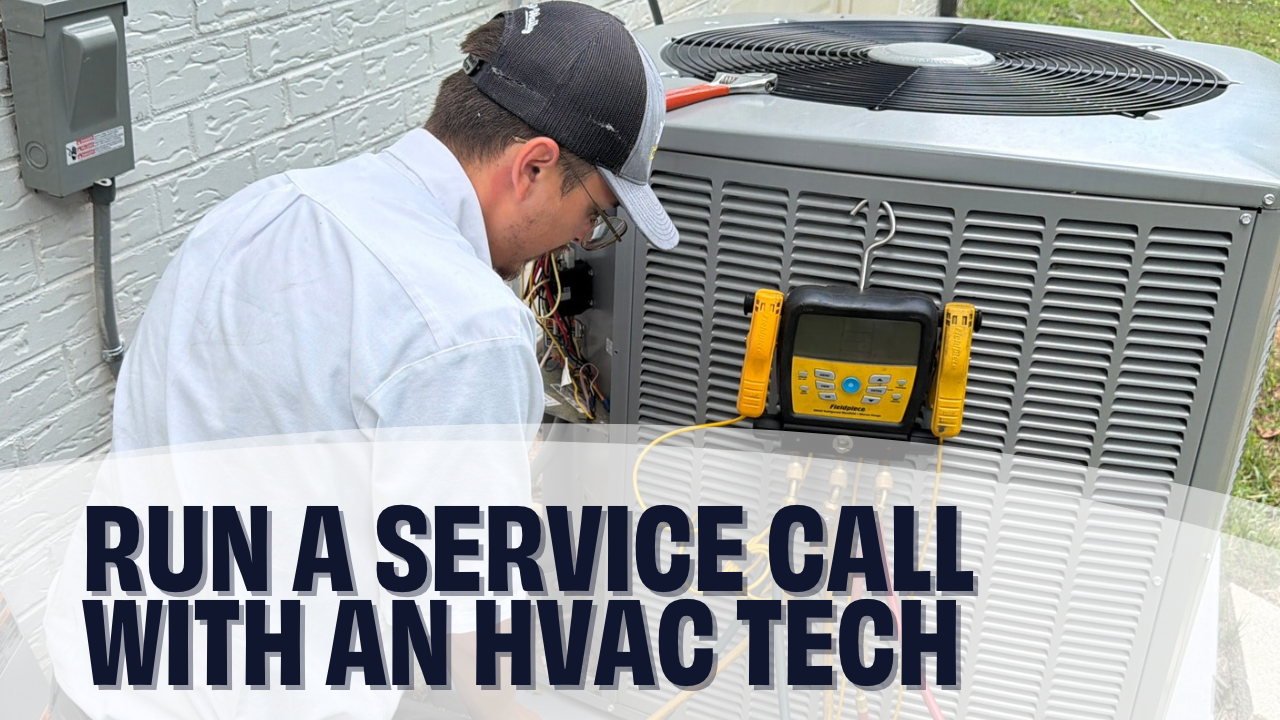
Complete Home Comfort Awaits
From plumbing and electrical to heating, cooling, and indoor air quality, Waldrop is here to keep your whole home running comfortably. Schedule your service today and experience trusted care from the team Upstate homeowners have counted on for generations.