Proudly serving Upstate South Carolina and surrounding areas






Hard Water Is Silently Destroying Plumbing in Greenville, Spartanburg, Laurens, and Anderson County Homes
Serving Upstate South Carolina with trusted home comfort solutions since 1970.

4.8 Google Rating

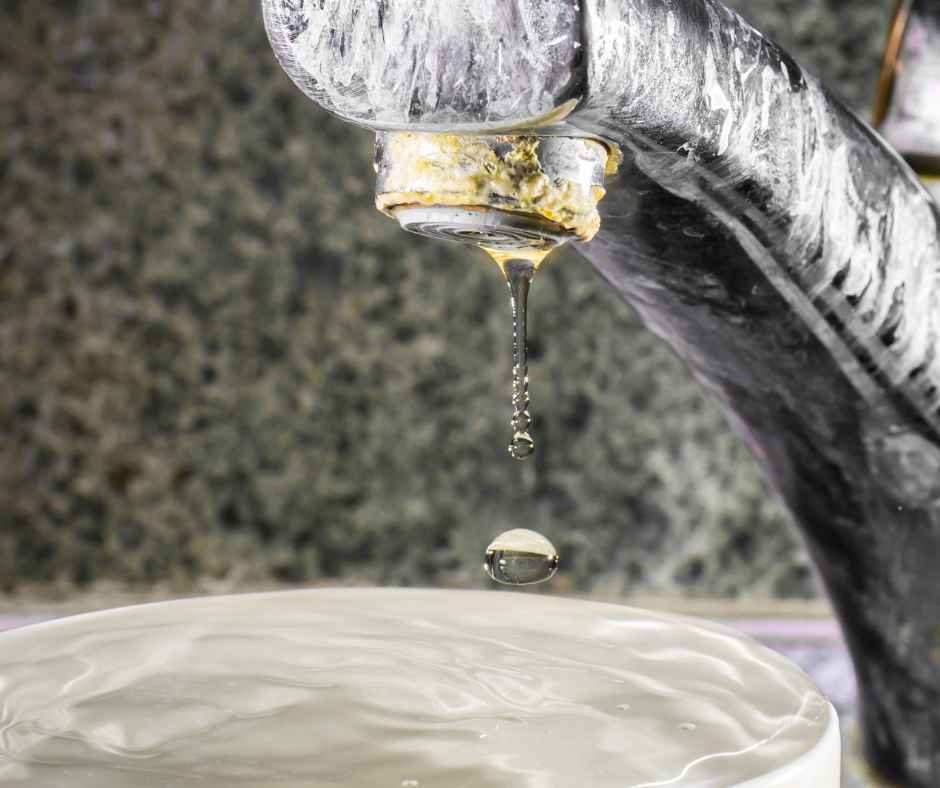
Hard water rarely causes a sudden plumbing emergency. Instead, it creates gradual mineral buildup that can affect pipes, fixtures, water heaters, and other water-using appliances over time. Homeowners may first notice white residue around faucets, cloudy glassware, reduced water pressure, or soap that does not rinse away easily. Behind the scenes, calcium and magnesium deposits may already be restricting water flow and forcing plumbing components to work harder.
Homes throughout Greenville, Spartanburg, Laurens, and Anderson counties can experience varying levels of water hardness depending on the local water source, utility system, private well, and neighborhood infrastructure.
In this guide, we will explain how hard water affects residential plumbing, which warning signs to watch for, and how professional water treatment can help protect your home from long-term damage.
What Is Hard Water?
Hard water contains elevated levels of naturally occurring minerals, primarily calcium and magnesium. These minerals enter the water supply as groundwater moves through rock and soil. The water picks up dissolved minerals before reaching municipal systems, private wells, and residential plumbing.
Hard water is not necessarily unsafe to drink. The primary concern is what happens as mineral-rich water repeatedly flows through your home. When water is heated or evaporates, it leaves behind hardened deposits known as scale. Over time, this buildup can collect inside pipes, around faucet aerators, on showerheads, and within water-using appliances.
Water hardness can also vary from one source to another. Two homes in the same county may experience different levels of mineral buildup depending on their utility provider, well conditions, plumbing age, and water usage.
A professional water test is the most reliable way to determine how hard your water is and whether a treatment system may benefit your home.
Why Hard Water Is a Concern in Upstate South Carolina Homes
Homeowners across Greenville, Spartanburg, Laurens, and Anderson counties rely on a combination of municipal water systems and private wells. Each water source can have a different mineral profile, which means hard water problems may be more noticeable in some neighborhoods than others.
Some homes may experience only minor spotting on dishes, while others may experience frequent faucet clogs, water heater sediment buildup, or reduced water pressure. Older plumbing systems may be especially vulnerable because mineral deposits can add to existing corrosion, sediment, and restricted flow.
Hard water problems are often overlooked because they develop slowly. A faucet may become harder to turn. A showerhead may need cleaning more often. A water heater may take longer to deliver hot water. Each issue can seem small on its own, but together they may indicate mineral buildup throughout the plumbing system.
Addressing hard water early can help homeowners avoid repeated fixture replacement, appliance repairs, and preventable plumbing service calls.
How Hard Water Damages Your Plumbing System
Every time hard water moves through your plumbing, it can leave behind small amounts of calcium and magnesium. Those deposits may gradually build on the interior surfaces of pipes, valves, fittings, and fixtures.
As the scale layer thickens, the opening inside the pipe can narrow. This restriction may reduce water flow and contribute to pressure problems at sinks, showers, and appliances. In severe cases, buildup may become difficult to remove without replacing affected components.
Hard water can commonly affect:
- Faucet aerators and cartridges
- Showerheads and tub fixtures
- Shutoff valves and supply lines
- Water heater tanks and heating elements
- Dishwasher and washing machine connections
- Toilet fill valves and internal components
- Pipes carrying hot water throughout the home
Mineral deposits can also interfere with moving parts. Faucet handles may feel stiff, valves may stop sealing correctly, and fixture cartridges may wear out faster.
Low water pressure should always be professionally evaluated because it can have several possible causes, including leaks, failing pressure regulators, corroded pipes, or municipal supply issues. However, hard water scale may be part of the problem, especially when pressure loss is limited to specific fixtures.
Water-Using Appliances Can Wear Out Faster
Hard water affects more than just visible plumbing fixtures. It can also shorten the service life of appliances that heat, circulate, or use water.
Water heaters are especially vulnerable because heat causes minerals to separate from the water more quickly. These minerals can settle at the bottom of a tank as sediment or collect around heating elements in electric units.
As sediment builds, the water heater may need to run longer to heat the same amount of water. Homeowners may notice popping or rumbling noises, inconsistent temperatures, longer recovery times, or higher energy use.
Hard water can also affect:
- Dishwashers
- Washing machines
- Coffee makers
- Ice makers
- Humidifiers
- Refrigerators with water dispensers
- Tankless water heaters
Mineral deposits may clog small openings, coat internal components, and reduce the effectiveness of detergents. Appliances may require more frequent cleaning, repairs, or replacement when hard water is left untreated.
Common Signs Your Home Has a Hard Water Problem
Hard water is often easier to identify once you know what to look for. Some warning signs are cosmetic, while others may point to plumbing or appliance strain.
Common signs of hard water include:
- White or chalky residue around faucets
- Spots or cloudy film on dishes and glassware
- Soap scum on tubs and shower doors
- Dry-feeling skin or hair after bathing
- Laundry that feels stiff after washing
- Reduced flow from showerheads or faucets
- Aerators that clog repeatedly
- Faucets that leak or become difficult to operate
- Water heater noises or inconsistent hot water
- Increased soap, shampoo, or detergent use
One sign does not always confirm a whole-home hard water problem. For example, low pressure could be caused by a clogged aerator, a hidden leak, or a failing valve.
When several of these symptoms appear together, however, it is worth having the water and plumbing system evaluated.
Why Cleaning Visible Buildup Is Not Enough
Vinegar, descaling products, and household cleaners can help remove white residue from showerheads, faucets, and glass surfaces. These cleaning methods may temporarily improve appearance and restore flow through a clogged fixture.
They do not change the mineral content of the water entering your home.
As soon as hard water continues flowing through the system, scale begins forming again. Homeowners may find themselves repeatedly soaking showerheads, scrubbing fixtures, and cleaning appliances without addressing the underlying cause.
Visible residue is often only one part of the problem. Mineral deposits may also be collecting inside pipes, valves, water heaters, and appliance connections where household cleaners cannot reach.
A whole-home water treatment solution addresses the water before it travels through the plumbing system, helping reduce new buildup throughout the home.
How a Water Softener Helps Protect Your Home
A water softener is designed to reduce calcium and magnesium before the water moves through your plumbing. Most traditional systems use a process called ion exchange.
During this process, hard water passes through a tank containing resin beads. The beads attract hardness minerals and exchange them for sodium or potassium ions. The softened water then continues into the home.
Potential benefits of a whole-home water softener include:
- Less scale on fixtures and showerheads
- Fewer spots on dishes and glassware
- Better soap and detergent performance
- Reduced mineral buildup inside pipes
- Added protection for water heaters
- Less frequent descaling of appliances
- Softer-feeling laundry
- Easier cleaning around kitchens and bathrooms
A properly selected system must match the home’s water hardness, water usage, plumbing layout, and household size. Water softeners also require regular maintenance, including salt or potassium refills and occasional system inspections.
Water softening is not the same as water purification. A softener reduces hardness minerals, but it is not designed to remove every contaminant that may be present in the water.
Water Softener or Water Filtration: Which Do You Need?
Water softeners and water filtration systems solve different problems. A water softener primarily targets calcium and magnesium. A filtration system may be used to address sediment, chlorine, odors, tastes, iron, or other specific water quality concerns, depending on the equipment selected.
Some homeowners need only a softener. Others may benefit from filtration, and some homes may need both systems working together.
The best starting point is professional water testing. Testing helps identify the water’s mineral content and other characteristics, so the treatment system can be matched to the actual problem.
Installing equipment without testing can lead to poor results, unnecessary costs, or a system that does not address the homeowner’s main concerns.
When to Schedule Professional Water Testing and Plumbing Service
Hard water issues are easier to manage before they cause extensive buildup or repeated plumbing failures.
Consider scheduling professional service if:
- You constantly clean white deposits from fixtures
- Your water pressure has gradually declined
- Faucet aerators clog soon after cleaning
- Your water heater makes popping or rumbling sounds
- Appliances need frequent descaling
- Plumbing fixtures are wearing out faster than expected
- You are considering a whole-home water softener
- Your home uses a private well
- You recently moved and do not know the home’s water quality
A plumbing professional can inspect fixtures, evaluate water pressure, check the water heater, and test the water for hardness. This creates a clearer picture of whether the issue is isolated to one fixture or affects the entire home.
Professional sizing and installation are also important. An undersized softener may regenerate too frequently or struggle to meet household demand. An oversized unit may cost more than necessary.
Protect Your Plumbing From Long-Term Hard Water Damage
Hard water damage often begins quietly. Mineral deposits may first appear as white residue or cloudy glassware, but the same buildup can also affect pipes, fixtures, water heaters, and appliances.
For homeowners in Greenville, Spartanburg, Laurens, and Anderson counties, professional water testing can help identify hardness levels and determine whether a water softener or filtration system is appropriate.
Waldrop Plumbing Air Electric can evaluate your water quality, inspect your plumbing, and recommend a treatment solution based on your home’s needs. Contact us today to schedule water testing or water treatment service.
Complete Home Comfort Awaits
From plumbing and electrical to heating, cooling, and indoor air quality, Waldrop is here to keep your whole home running comfortably. Schedule your service today and experience trusted care from the team Upstate homeowners have counted on for generations.