Skip to content

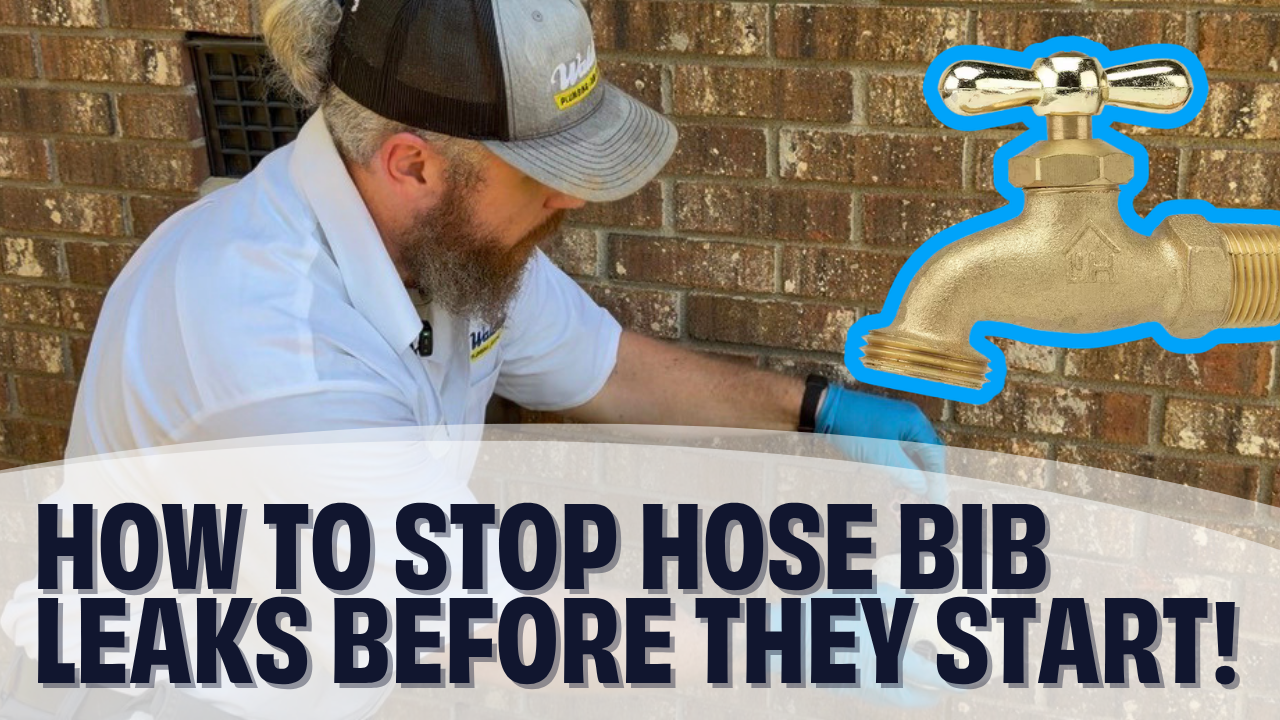
When cold weather starts rolling into the Upstate, most homeowners are thinking about keeping the house warm, checking the heat, and maybe stocking up on hot chocolate. However, there’s one little spot outside your home that’s easy to forget: your hose bibs.
A simple hose bib cover only costs a few dollars, but it could potentially save you hundreds of dollars in plumbing and water-damage repairs.
As Dan, one of our apprentices at Waldrop Plumbing Air Electric, explains, protecting your outdoor faucets before freezing temperatures arrive is one of the easiest winter plumbing precautions you can take.
What Happens to a Hose Bib When It Freezes?
Your outdoor faucet, commonly called a hose bib, is exposed to the elements throughout the winter. When temperatures drop below freezing, any water left inside the faucet or connected piping can freeze.
And we all remember this one from science class: water expands when it freezes.
As that water expands, it puts pressure on the hose bib and plumbing. Eventually, that pressure can cause a crack or split.
Unfortunately, you might not realize anything has happened right away.
The damaged plumbing can sit unnoticed throughout the winter. Then, when warmer weather arrives and you turn the outdoor faucet back on, water may begin leaking inside your wall.
Suddenly, a problem that started with an unprotected outdoor faucet can become a much bigger plumbing repair.
How Does a Hose Bib Cover Help?
A hose bib cover adds an extra layer of insulation around your outdoor faucet. Therefore, it helps protect the fixture from cold air, wind, and freezing temperatures.
They’re inexpensive, easy to install, and reusable.
In other words, a few dollars and a few minutes of your time could help prevent a much more expensive headache.
Before freezing weather arrives:
- Disconnect your garden hoses.
- Drain any remaining water from the hoses.
- Check outdoor faucets for existing drips or leaks.
- Install an insulated hose bib cover over each outdoor faucet.
- Make sure the cover fits snugly and stays securely in place.
That’s it! You’ve just given your outdoor plumbing an extra line of defense against winter weather.
Don’t Forget to Disconnect the Garden Hose
There’s another important part of winterizing your hose bib: take off the garden hose.
It can be tempting to leave your hose connected all winter, especially if you think you might need it again. However, water can remain trapped inside the hose.
When that water freezes, it expands. Additionally, a connected hose can prevent water from properly draining away from the faucet, increasing the risk of freeze damage.
So, before you put that hose bib cover on, disconnect the garden hose first.
Think of it as your hose’s way of saying, “See y’all in the spring.”
When Should You Cover Your Outdoor Faucets?
Don’t wait until you’re watching the weather forecast and hear that freezing temperatures are arriving overnight.
Ideally, install your hose bib covers in the fall before the first hard freeze. Once they’re installed, you can generally leave them in place throughout the cold-weather season.
Then, when spring returns, remove the covers, inspect your faucets, and watch carefully for leaks the first time you turn the water on.
If something doesn’t look right, shut the faucet off and give a plumber a call.
Small Step. Big Protection.
Some home maintenance projects require a toolbox, a free Saturday, and three trips to the hardware store.
Thankfully, this isn’t one of them.
Covering your hose bibs is a quick and inexpensive way to help protect your plumbing from freezing temperatures. Most importantly, it could prevent a cracked pipe, water inside your walls, and an unexpected repair bill when spring rolls around.
So, before the next cold snap hits, take a walk around the house, disconnect those garden hoses, and cover those outdoor faucets.
And if winter weather does cause a plumbing problem, Waldrop Plumbing Air Electric is here to help with your home’s plumbing, heating and air, and electrical needs.
Protect the pipes, prevent the surprise, and remember: Y’all Call Wally!