Skip to content

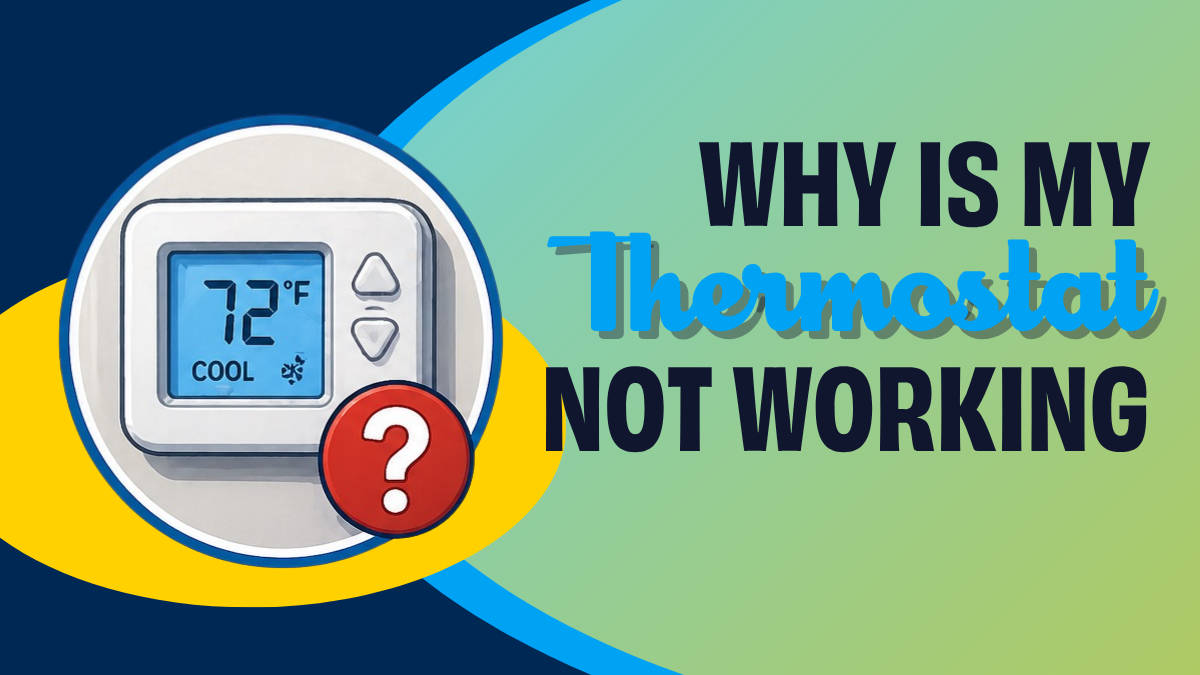
A thermostat is the control center of your home’s heating and cooling system. When it stops working properly, your home can quickly become uncomfortable. Whether your HVAC system won’t turn on, won’t reach the desired temperature, or seems completely unresponsive, the thermostat is often the first place to investigate.
In this guide, we’ll explore the most common reasons a thermostat stops working and what you can do before calling a professional.
1. Dead or Weak Batteries
Many modern thermostats rely on batteries for power. When the batteries become weak or die, the thermostat may:
- Display a blank screen
- Lose programmed settings
- Stop communicating with the HVAC system
- Display error messages
Solution: Replace the batteries with fresh ones and check whether the thermostat powers back on.
2. Tripped Circuit Breaker
If your thermostat suddenly goes blank, the issue may not be the thermostat itself. A tripped breaker can cut power to the HVAC system and thermostat.
Solution: Check your home’s electrical panel for any tripped breakers. Reset them if necessary and see if power is restored.
3. Incorrect Thermostat Settings
Sometimes the thermostat is functioning correctly, but the settings are not.
Common mistakes include:
- Thermostat set to “Cool” instead of “Heat”
- Fan set to “On” instead of “Auto”
- Temperature set too high or too low
- Incorrect scheduling programmed into a smart thermostat
Solution: Review all settings and verify they match your comfort needs.
4. Dirty or Faulty Sensors
Thermostats use sensors to measure room temperature. Dust, dirt, or sensor failure can cause inaccurate readings.
Signs of sensor problems include:
- Uneven temperatures throughout the home
- HVAC system cycling on and off frequently
- Temperature displayed doesn’t match actual room conditions
Solution: Gently clean the thermostat and ensure nothing is blocking airflow around it.
5. Loose Wiring Connections
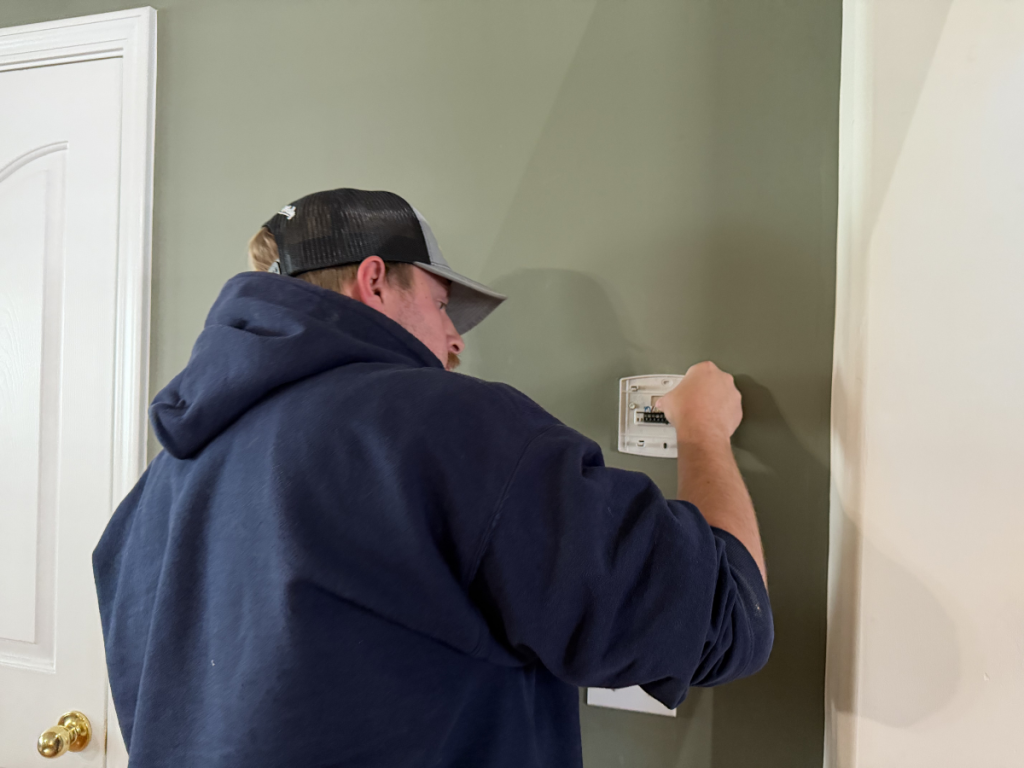
Over time, thermostat wiring can loosen due to vibrations, age, or improper installation.
Common symptoms include:
- Intermittent operation
- HVAC system not responding
- Blank thermostat display
Solution: Turn off power to the HVAC system and inspect wiring connections if you’re comfortable doing so. If not, contact a licensed HVAC technician.
6. Thermostat Placement Issues
The location of your thermostat significantly impacts its performance.
Poor placement areas include:
- Near windows
- In direct sunlight
- Close to air vents
- Near kitchens or heat-producing appliances
These locations can cause false temperature readings and inefficient system operation.
Solution: Consider relocating the thermostat if it consistently reads temperatures inaccurately.
7. HVAC System Problems
Sometimes the thermostat isn’t the problem at all. Issues with the furnace, air conditioner, heat pump, or electrical components can make it appear as though the thermostat has failed.
Possible HVAC-related causes include:
- Blown fuse
- Clogged air filter
- Faulty control board
- Safety switch activation
- Mechanical equipment failure
Solution: If the thermostat appears functional but the system won’t respond, professional diagnosis may be necessary.
8. Outdated or Failing Thermostat
Like any electronic device, thermostats wear out over time. Older thermostats may become less accurate or stop functioning entirely.
Signs it may be time for replacement:
- Frequent temperature fluctuations
- Unresponsive controls
- Constant need for recalibration
- Age exceeding 10 years
Upgrading to a programmable or smart thermostat can improve comfort, energy efficiency, and system performance.
When Should You Call a Professional?
While battery replacement and setting adjustments are simple DIY fixes, certain issues require expert attention. Contact an HVAC technician if:
- The thermostat remains blank after replacing batteries.
- Wiring appears damaged.
- The HVAC system won’t respond to thermostat commands.
- You notice burning smells, sparks, or unusual noises.
- The problem continues after basic troubleshooting.
Final Thoughts
If you’re asking, “Why is my thermostat not working?” the answer could range from dead batteries to a larger HVAC system issue. Fortunately, many thermostat problems are easy to identify and fix. Start with the simplest troubleshooting steps, and if the issue persists, a qualified HVAC professional can help restore comfort to your home quickly and safely.
A properly functioning thermostat not only keeps your home comfortable but also helps your heating and cooling system operate efficiently, reducing energy costs and preventing unnecessary wear and tear.